
Category: Skills
-
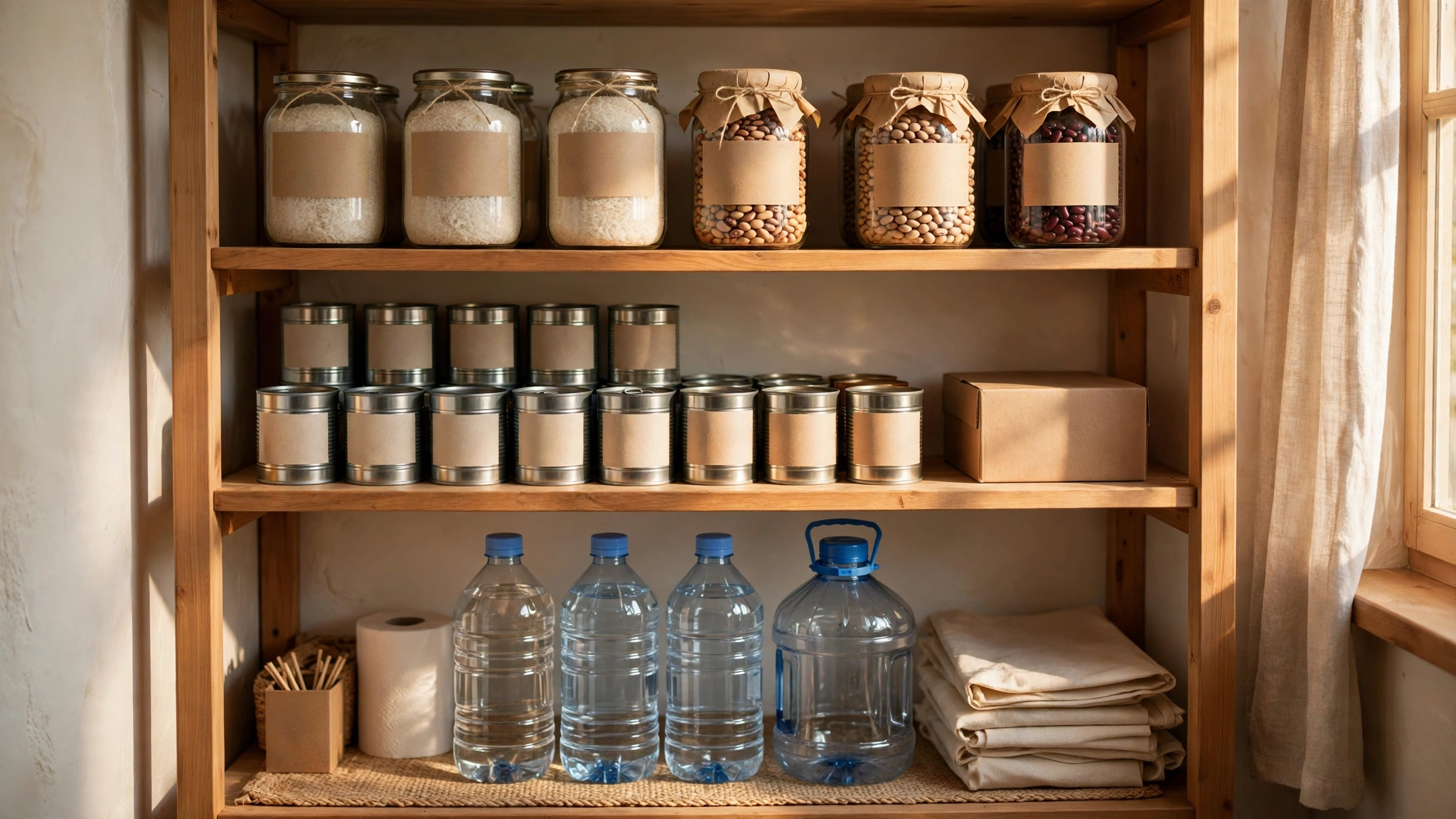
Water Rationing Basics for Families: How Much, What First, and How to Stretch It
Water rationing sounds simple — use less — until you try it with a family, a limited supply, and no date for when the taps come back. Then it becomes a planning problem: how much do you actually need, what do you prioritise, and how do you stretch a fixed supply without making anyone ill?…
-
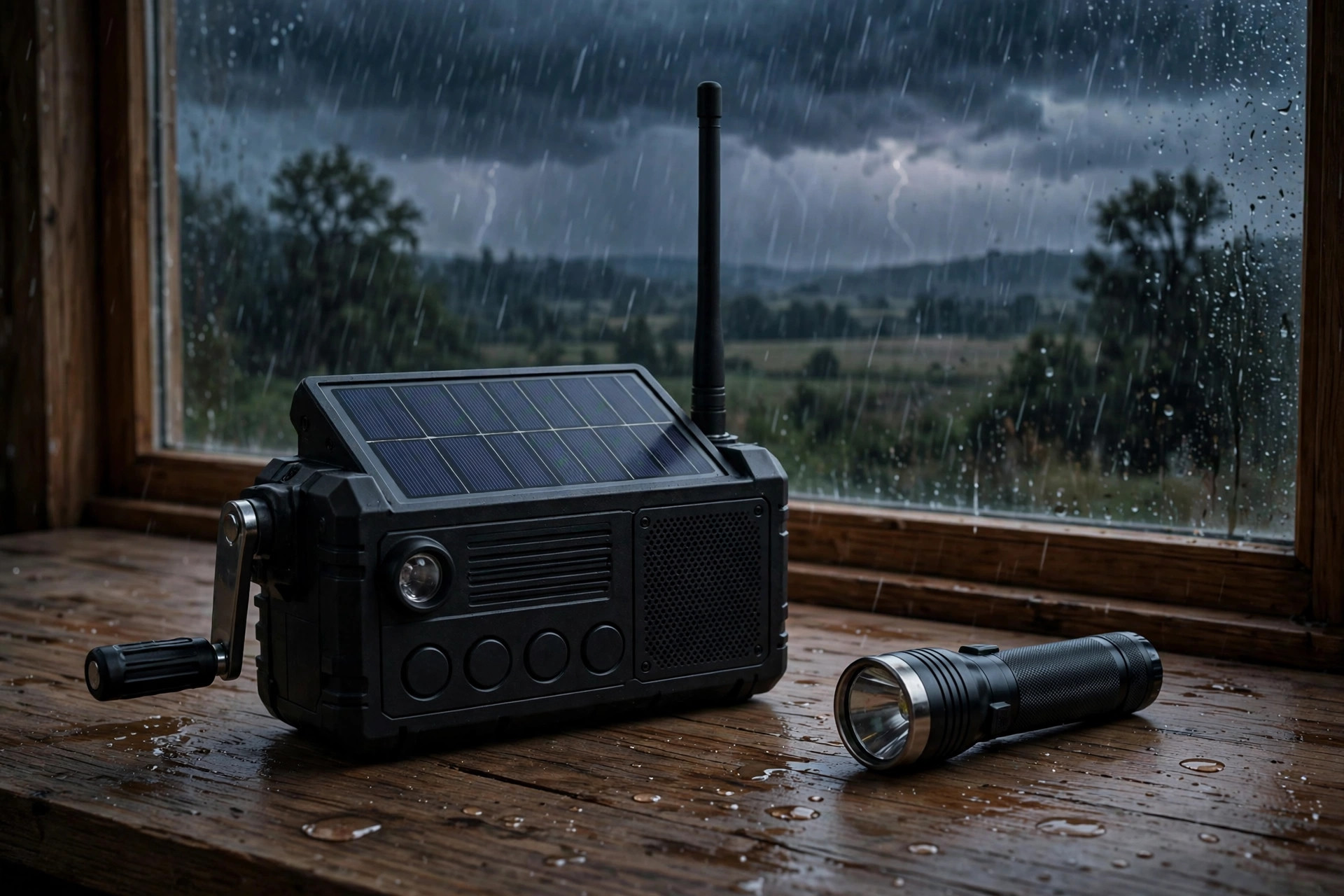
Signalling for Help Basics: Whistles, Mirrors, and Distress Patterns
If you are lost, trapped, or stranded, your biggest problem is often not food or shelter — it is that nobody knows where you are. Signalling for help is the skill that connects you to rescuers, and it follows a simple principle: be seen, be heard, and be recognisable as a person who needs help,…
-
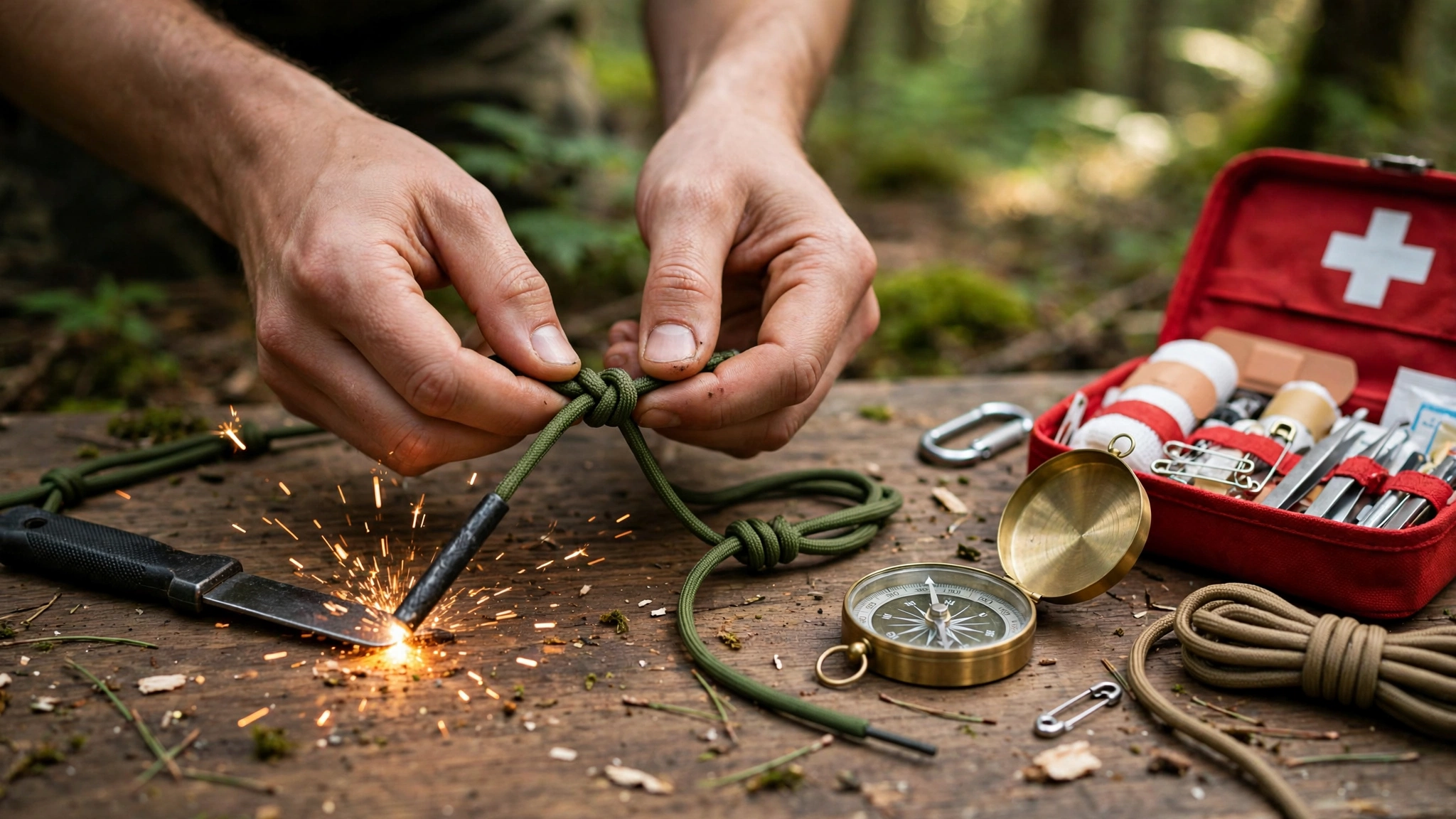
Staying Calm in Emergencies: Practical Techniques That Actually Work
Every emergency plan assumes a calm person will carry it out. Real emergencies rarely provide one. Adrenaline, fear, and confusion narrow your thinking, speed up your breathing, and push you toward the fastest action rather than the best one — which is why people run back into burning buildings for phones, drive into floodwater, or…
-
Reading Weather Signs for Beginners: Clouds, Wind, and What They Mean
Forecast apps are wonderful until you are outdoors with no signal, a dying battery, and a sky that is changing faster than the last forecast you saw. Reading weather signs is not fortune-telling, and it will never replace a forecast. It is a backup skill: a set of observations — clouds, wind, temperature, and animal…
-
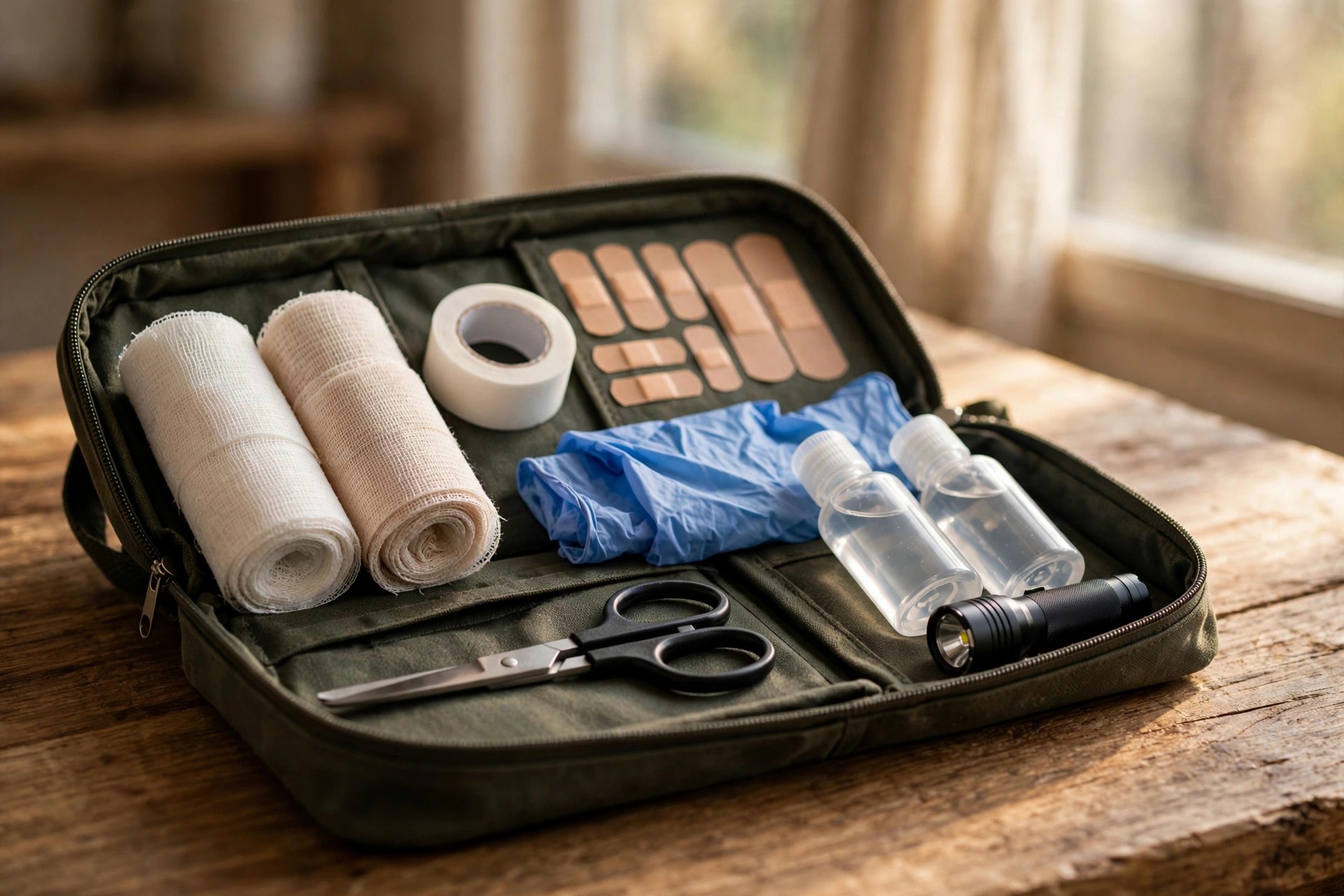
Basic Sewing Repairs in Emergencies: Fix Gear With a Needle and Thread
A torn backpack strap, a ripped tent seam, a jacket zip that gives up on a cold night — small failures like these turn useful gear into dead weight at exactly the wrong moment. Basic sewing is one of the cheapest, lightest emergency skills there is: a needle, thread, and a few minutes of practice…