
Category: Skills
-
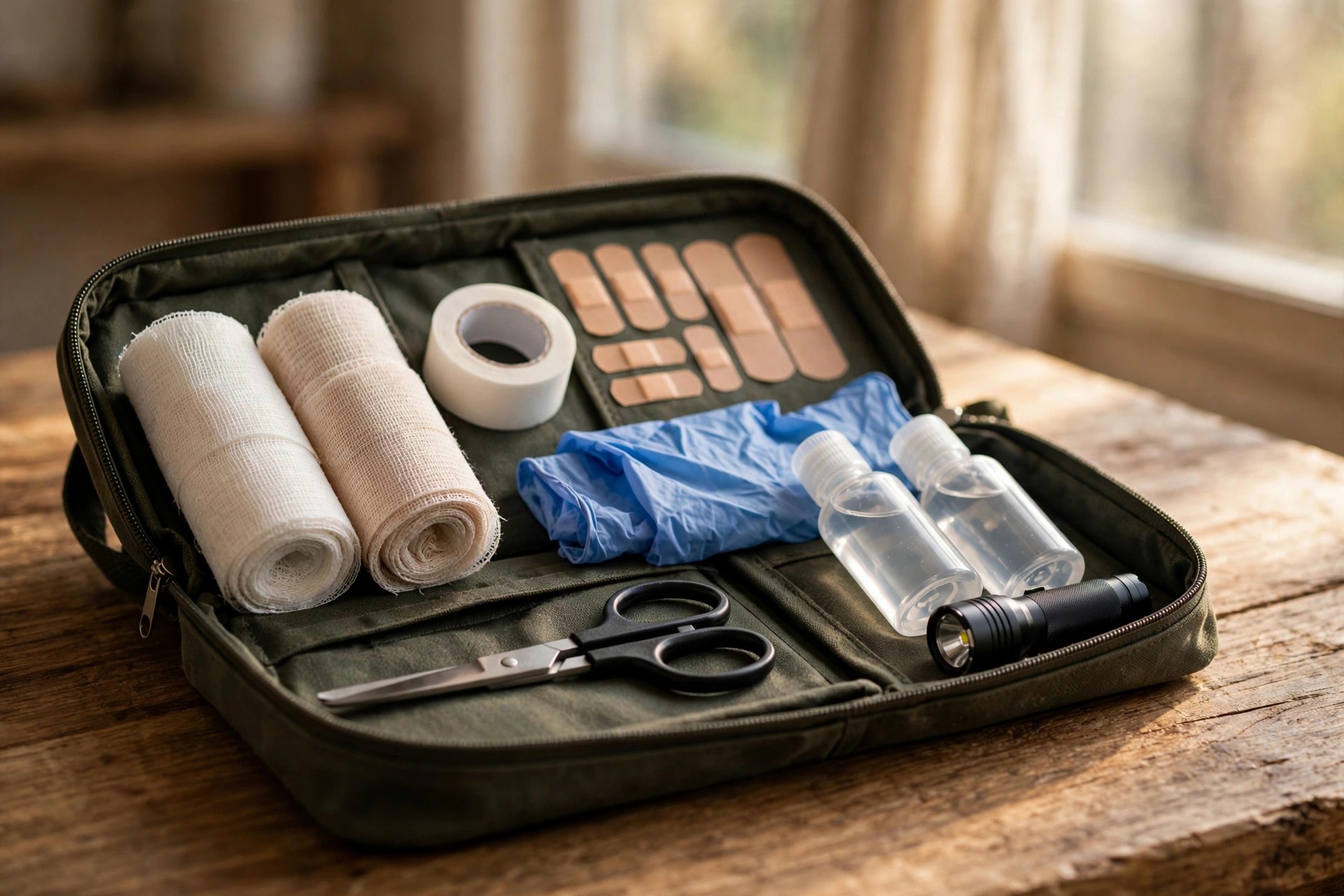
First Aid for Burns and Cuts: What to Do in the First Ten Minutes
Burns and cuts are the most common household injuries, and they are also the injuries most people treat wrong — with butter on a burn, a tourniquet on a cut, or a bandage so tight it cuts off circulation. Good first aid for both is simpler than most people think, and it mostly comes down…
-
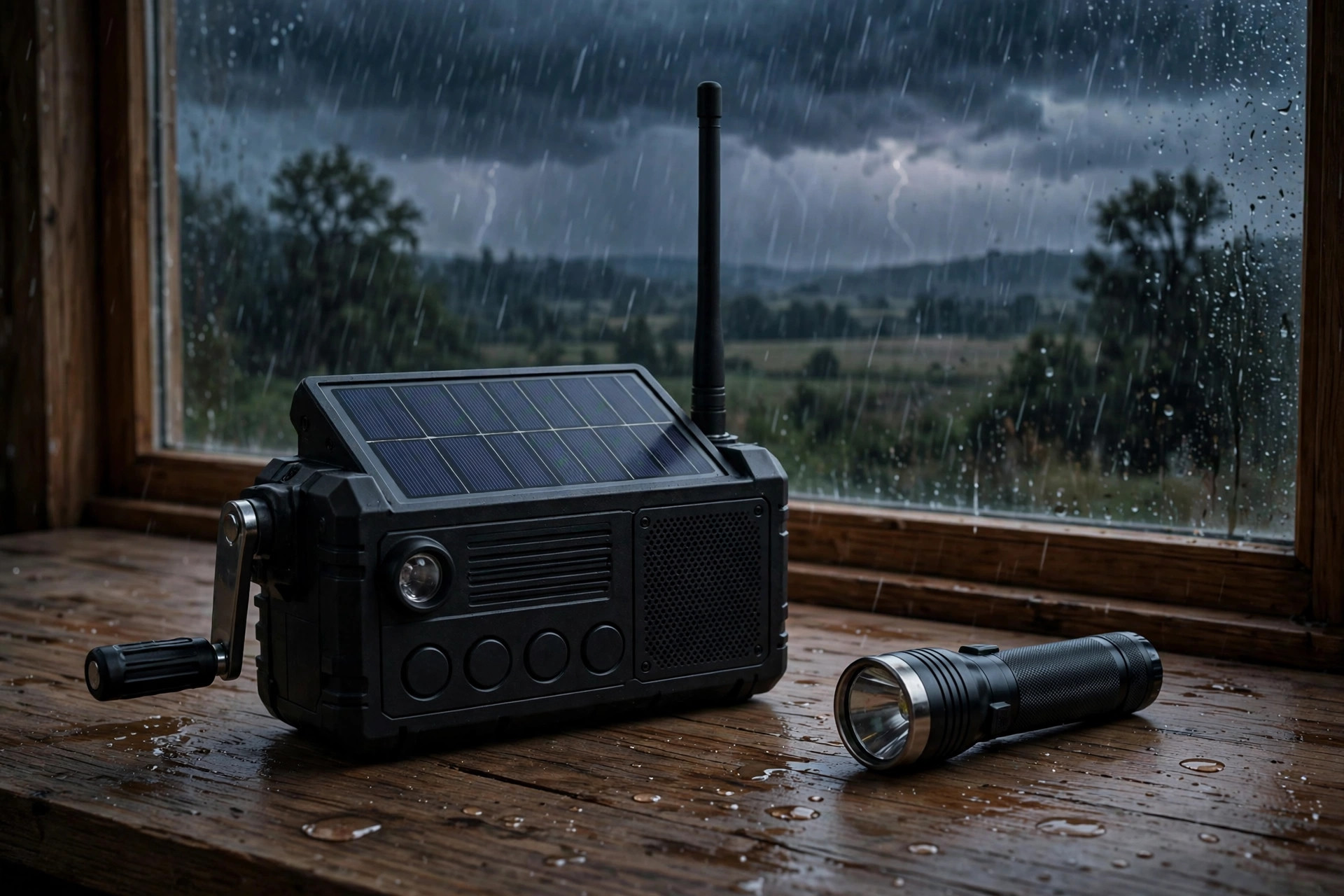
Emergency Communication Plan for Your Family: Stay in Touch When Networks Fail
In most emergencies, the first thing that fails is not the power or the water. It is communication. Mobile networks overload, batteries die, family members are in different places, and nobody knows who is safe, where to meet, or who to call. An emergency communication plan answers those questions in advance, on a calm day,…
-
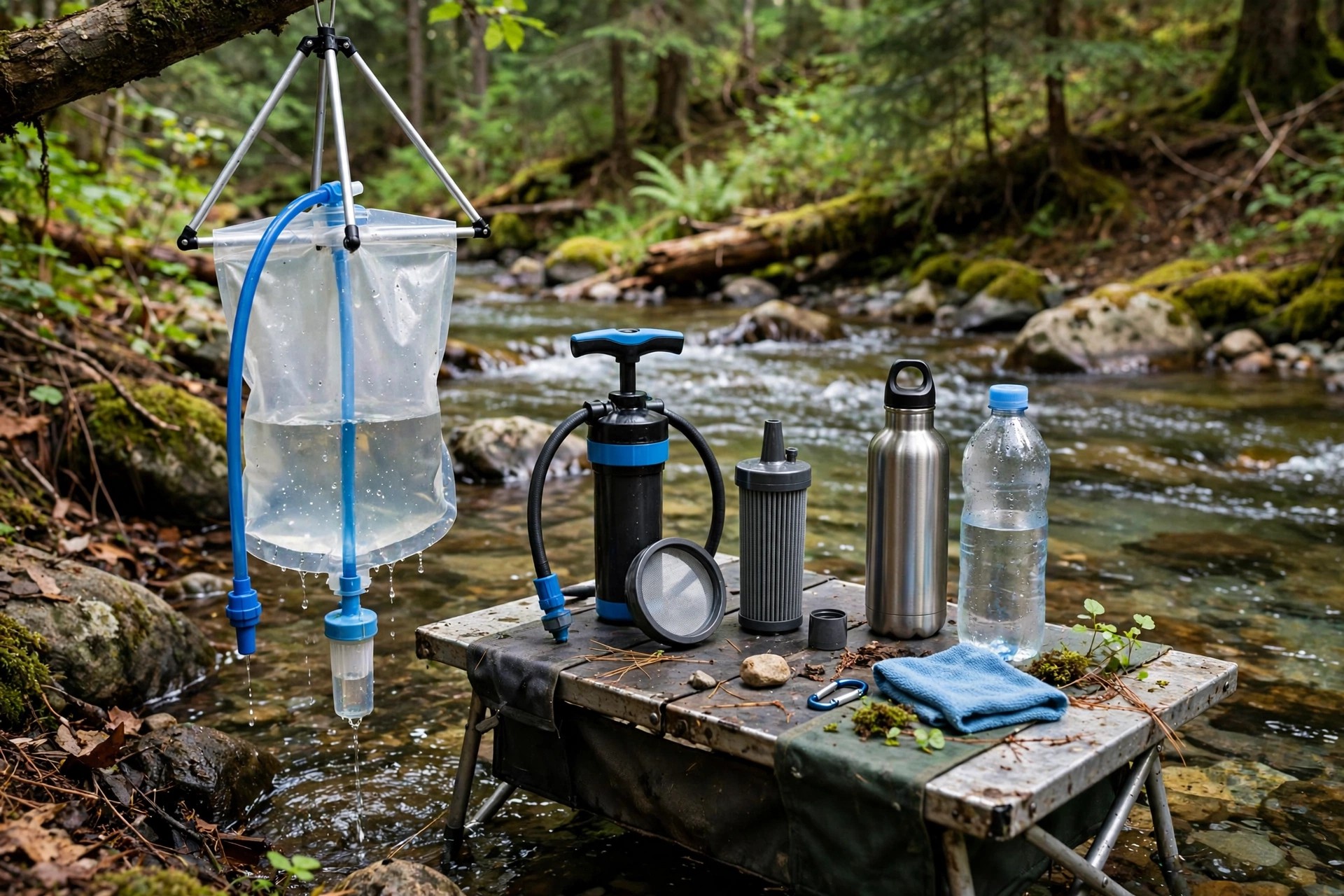
Purifying Water Without a Filter: Safe Methods That Actually Work
A water filter is the easiest way to make questionable water safe, and our water filter comparison will help you choose one. But filters break, run out, or get left behind, and then you need a backup. Fortunately, water purification without a filter is well understood, and three methods — boiling, chemical treatment, and solar…
-
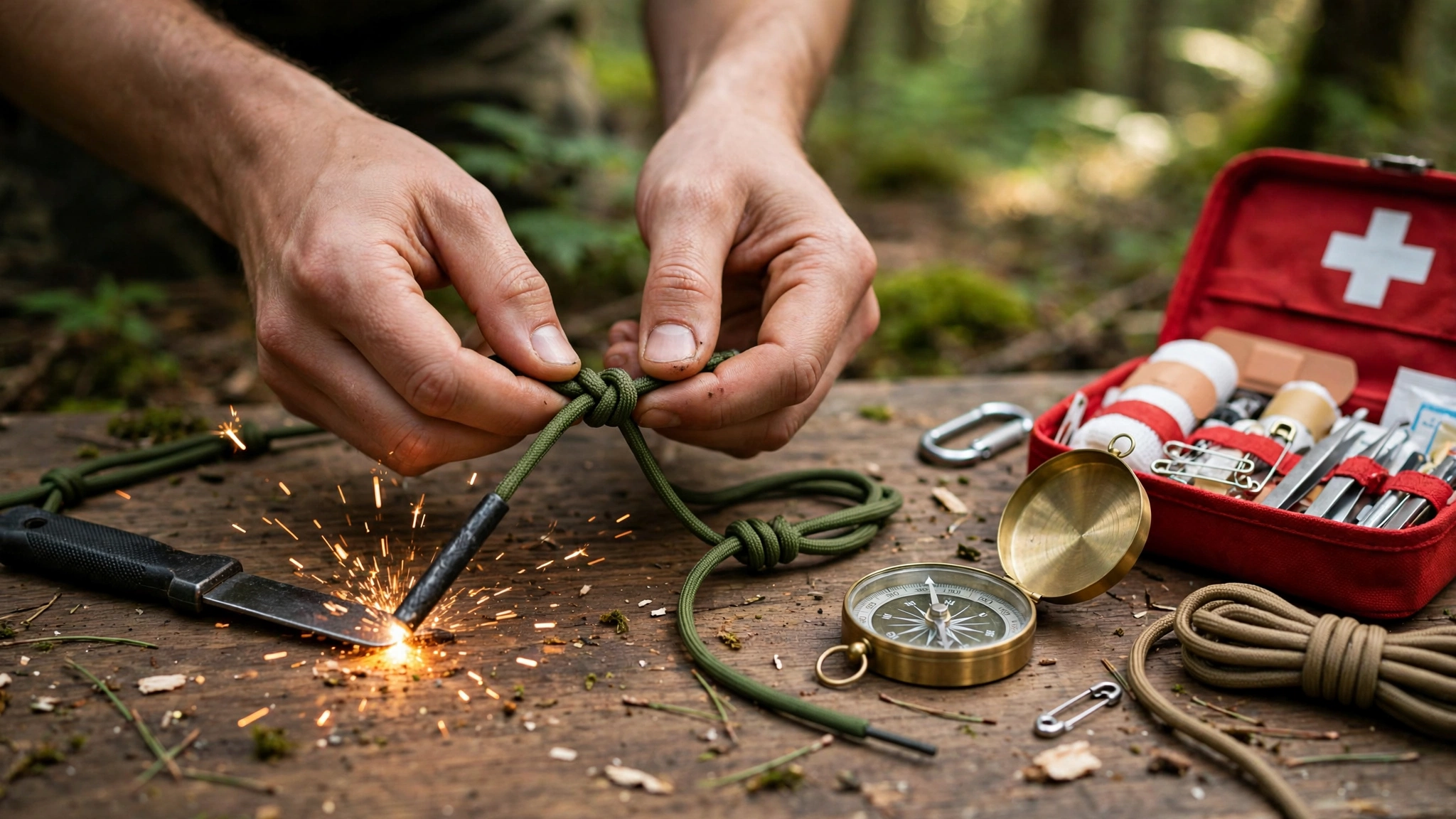
Basic Knot Tying for Emergencies: 5 Knots Worth Learning
Knots are the most underrated survival skill, because they are invisible until you need one. A shelter that will not stay up, a load that will not stay tied, a rescue line that slips — all of them are knot problems, and all of them are fixable with five knots, practised until they are automatic.…
-

Emergency Cash: Why You Need It and How Much to Keep
When the power goes out, the card machine goes with it. Shops that stay open switch to cash-only, ATMs stop working or run empty, and the phone app you pay with becomes a glass rectangle with a dying battery. Emergency cash is the least glamorous part of preparedness, and one of the most useful: a…