
Category: Skills
-
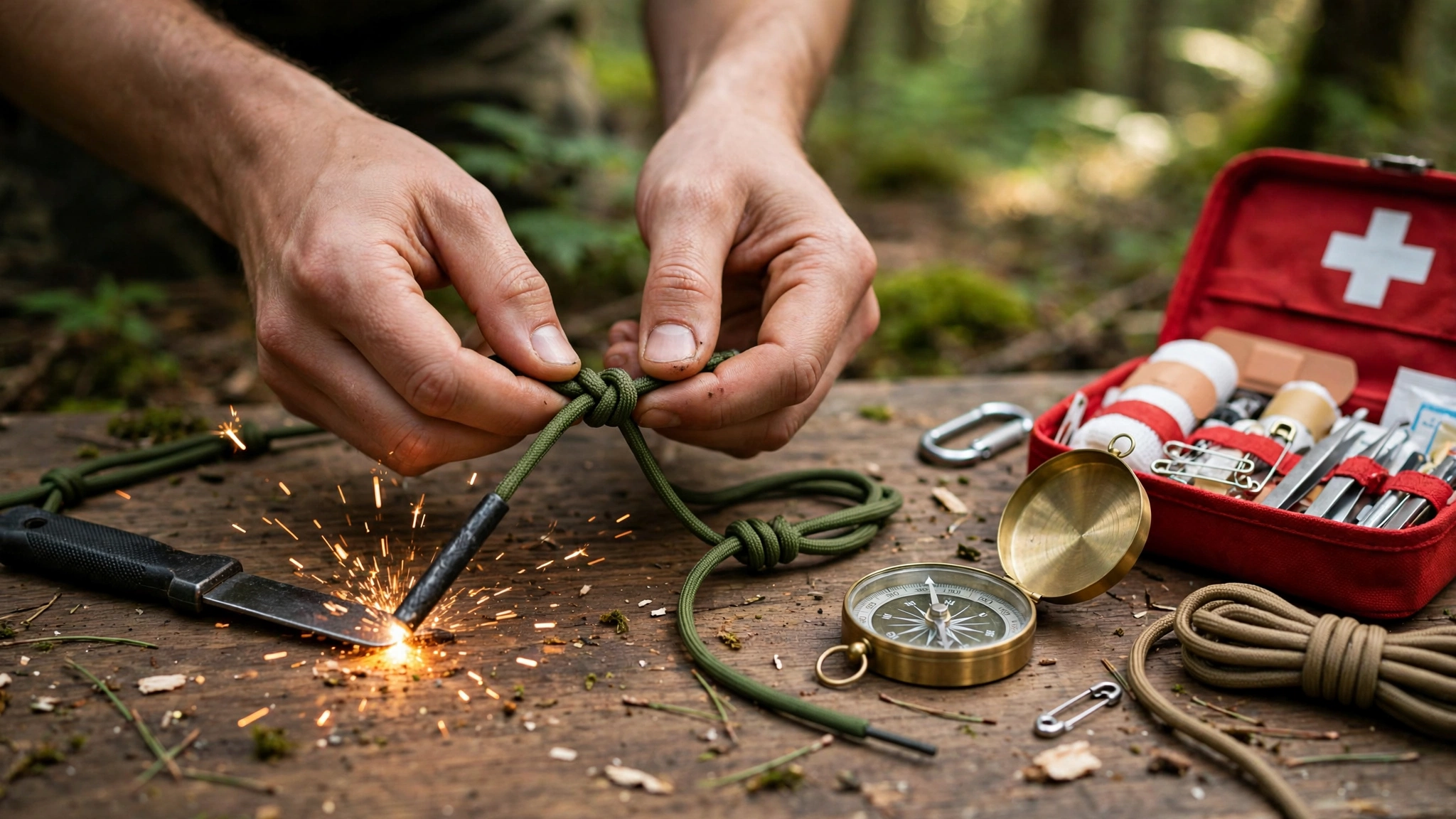
Fire Extinguisher Home Basics: Types, Placement, and How to Use One
Most homes have a smoke alarm and no fire extinguisher, which is backwards: the alarm tells you there is a fire, and the extinguisher is the tool that might stop it while it is still small. A home fire extinguisher is cheap, simple, and genuinely useful — but only if it is the right type,…
-
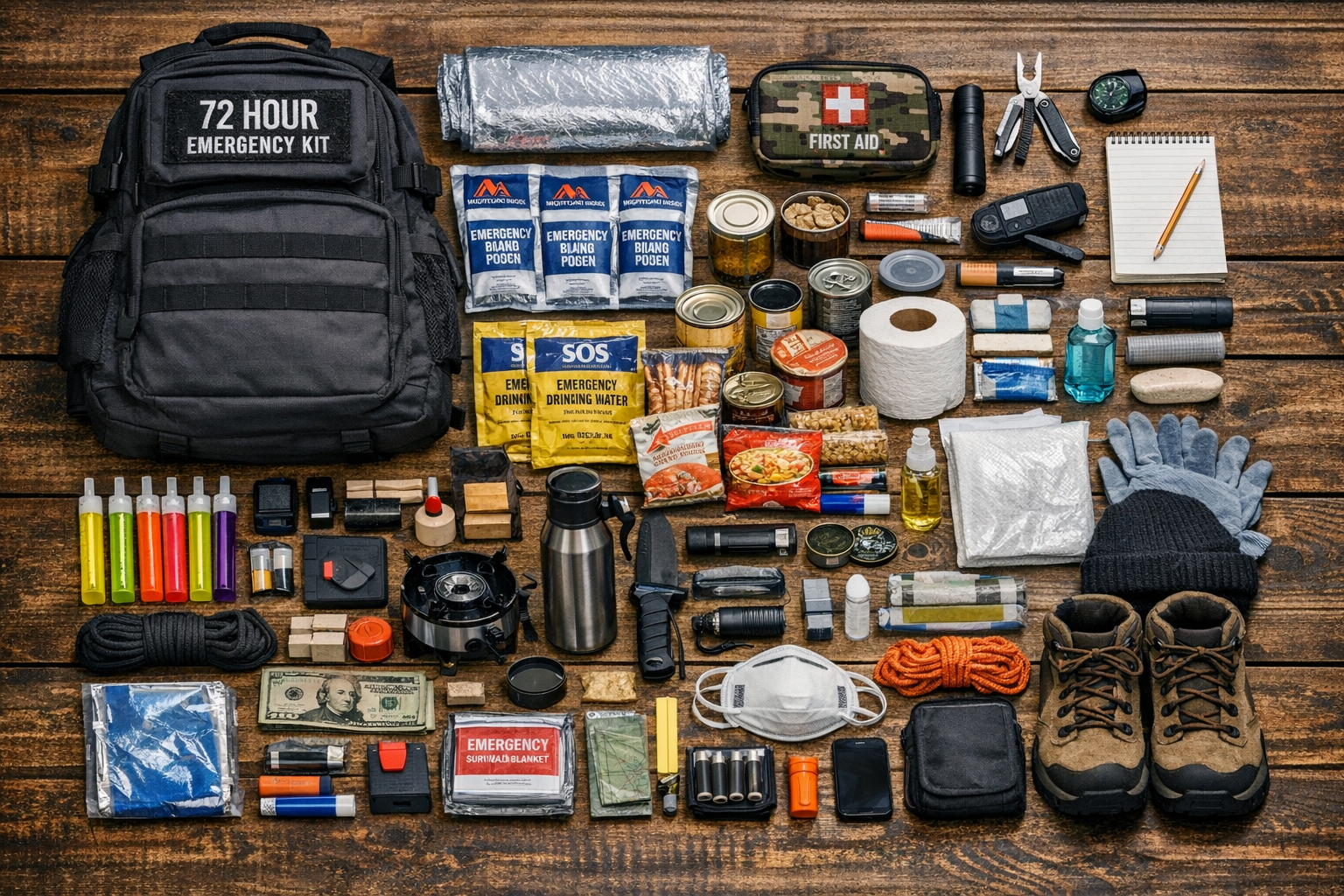
Teaching Kids Emergency Basics: Calm, Age-Appropriate Skills That Actually Stick
Teaching children about emergencies is a balance: you want them prepared, not frightened. The good news is that children learn emergency skills the same way they learn anything else — through simple routines, games, and repetition, not through lectures about disasters. A child who knows their full name and address, who knows what to do…
-
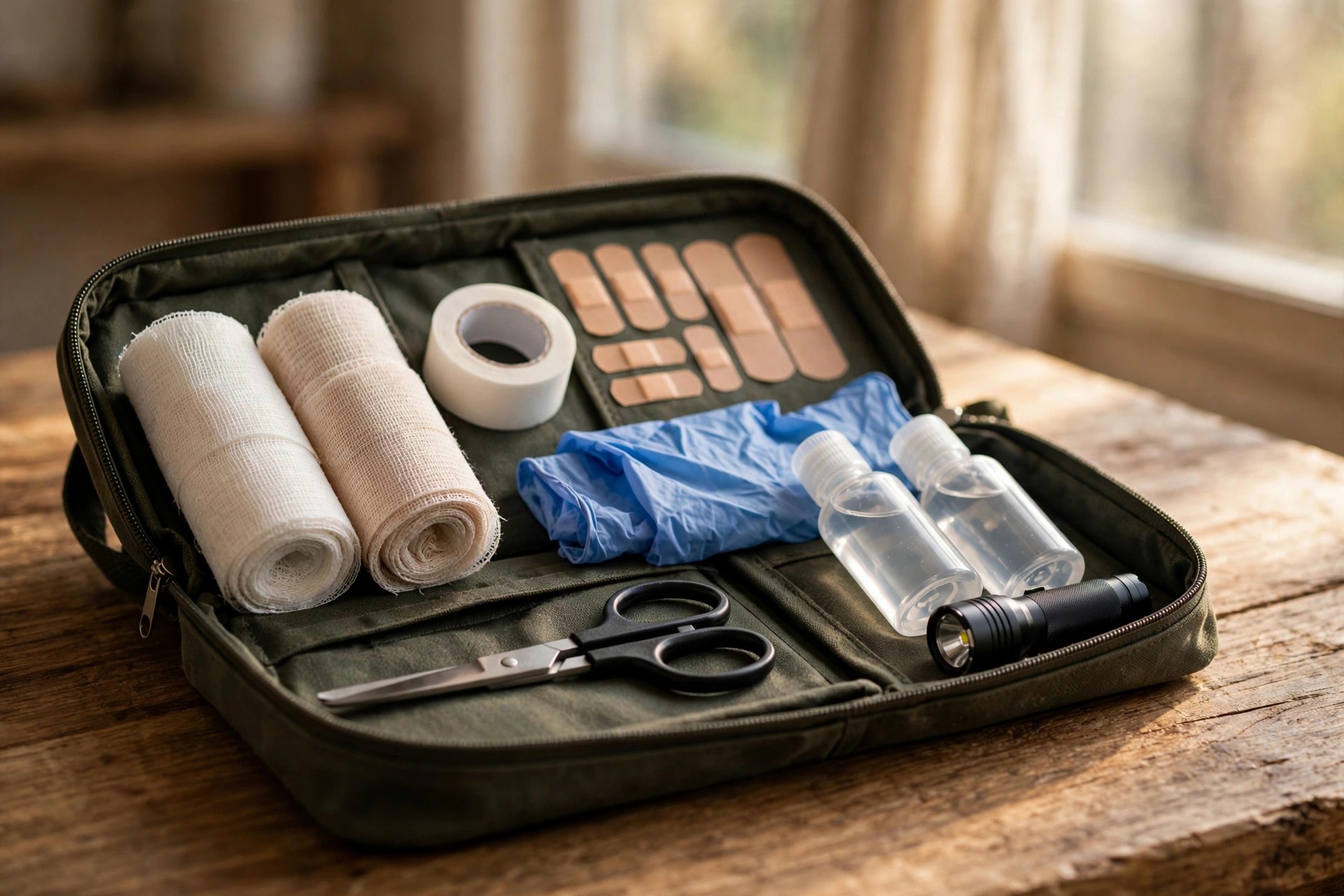
Treating Blisters Outdoors: Stop a Small Blister Becoming a Trip-Ender
A blister is the smallest injury that can end a trip. It starts as a hot spot, becomes a painful bubble, and if it bursts or gets infected miles from help, every step becomes a negotiation. Blisters are also almost entirely preventable and very treatable with basic kit and a little knowledge. Whether you are…
-
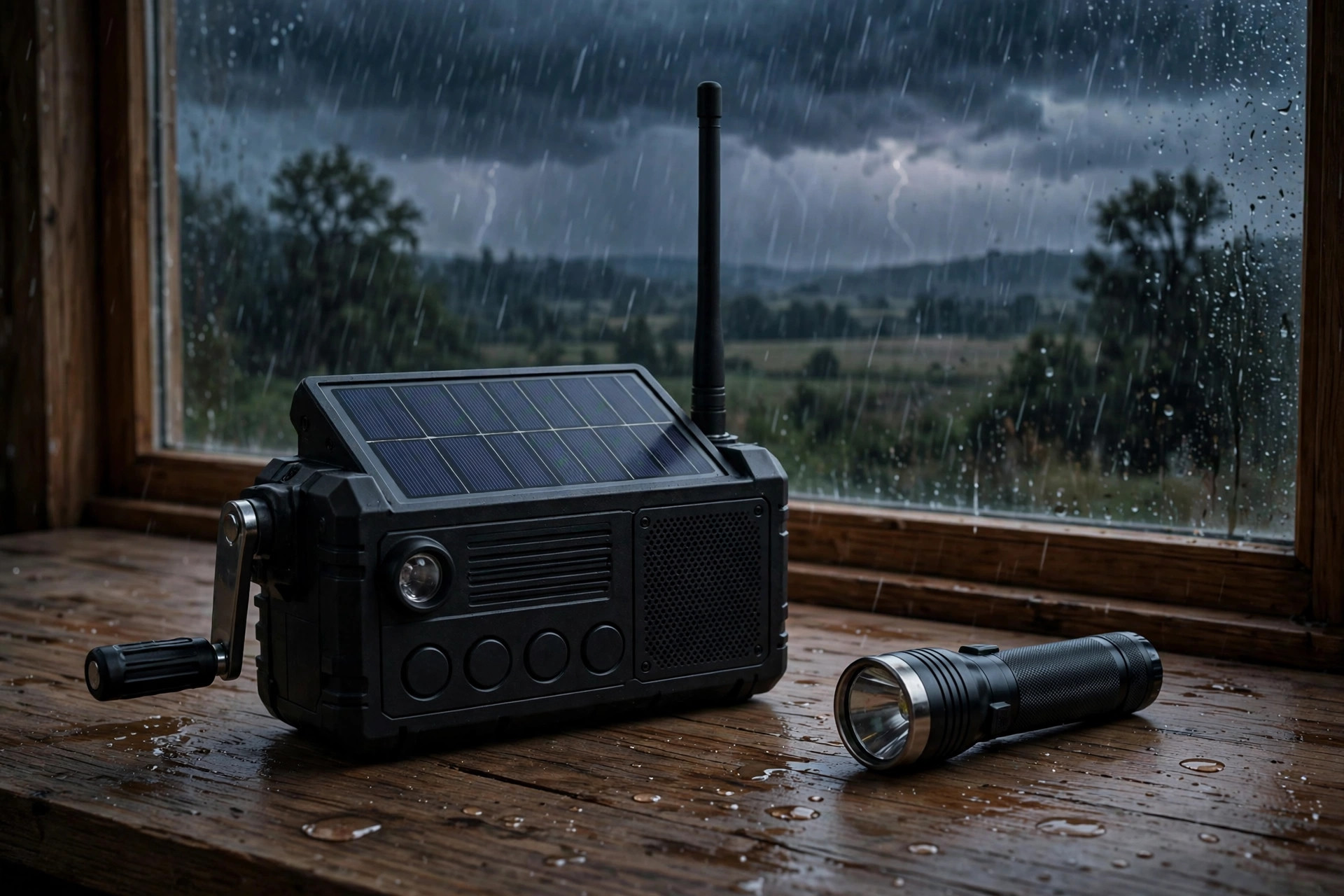
Navigating Without a Phone: Beginner Basics for Getting Home Safely
Most people navigate by phone now, and most of the time that is fine. But a phone is a fragile navigation tool: it runs out of battery, loses signal, breaks when dropped, and becomes useless in a disaster that takes the network down. Navigating without a phone is not about becoming an explorer — it…
-
Map Reading Basics for Beginners: Orient, Measure, and Never Rely Only on Your Phone
Your phone’s map is brilliant until it is not: flat battery, no signal, broken screen, or a dead network after a disaster, and the most useful navigation tool in the world becomes a glass rectangle. Paper map reading is the backup that never runs out of battery, and it is far easier to learn than…