
Category: Skills
-
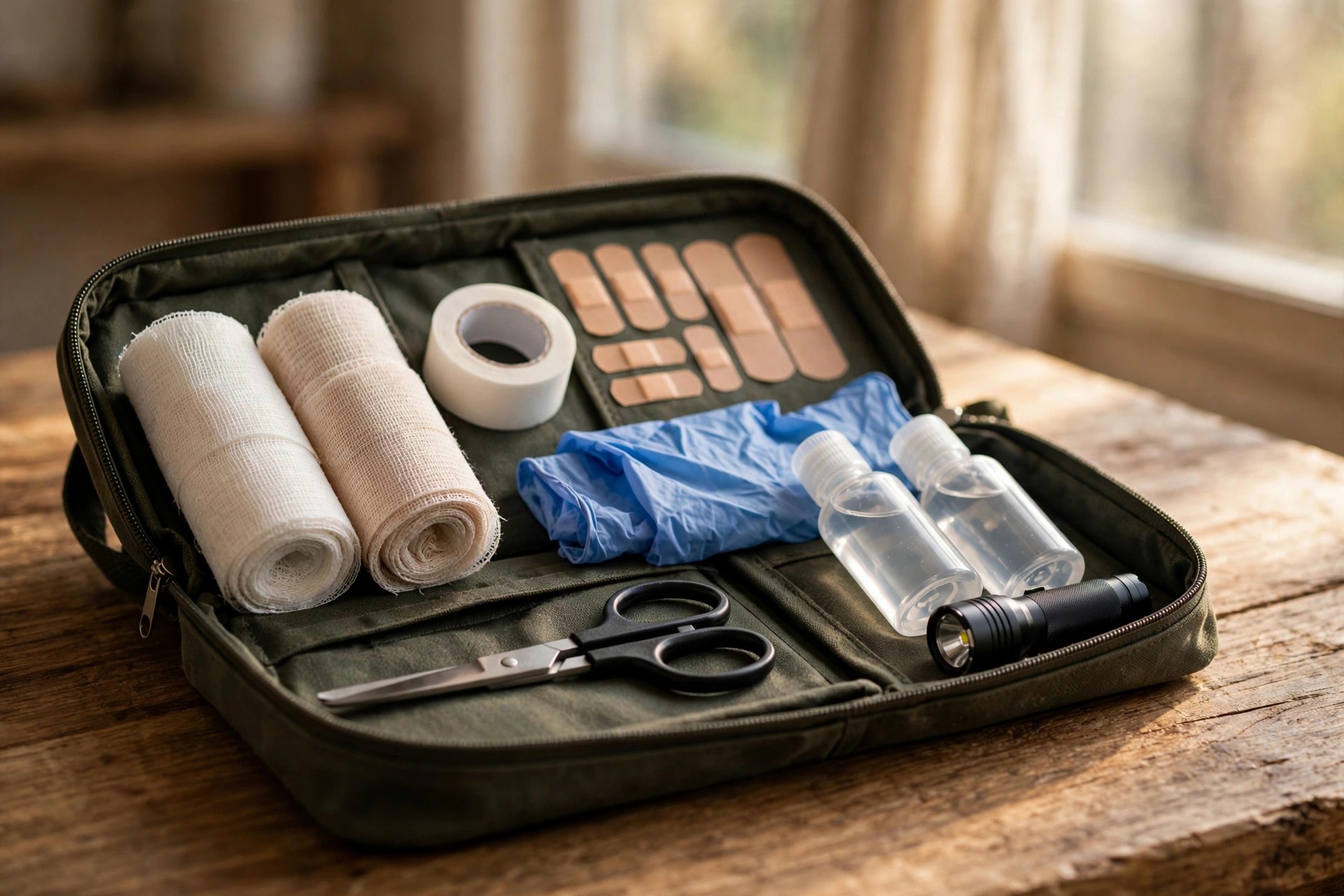
Basic Bandaging Techniques for Beginners: Wraps, Pressure, and Common Mistakes
Bandaging is one of those first-aid skills that looks simple until you have to do it on a real person, with real blood, and a real injury that will not sit still. A bandage done well protects a wound, controls bleeding, supports a sprain, and stays in place. A bandage done badly falls off, cuts…
-
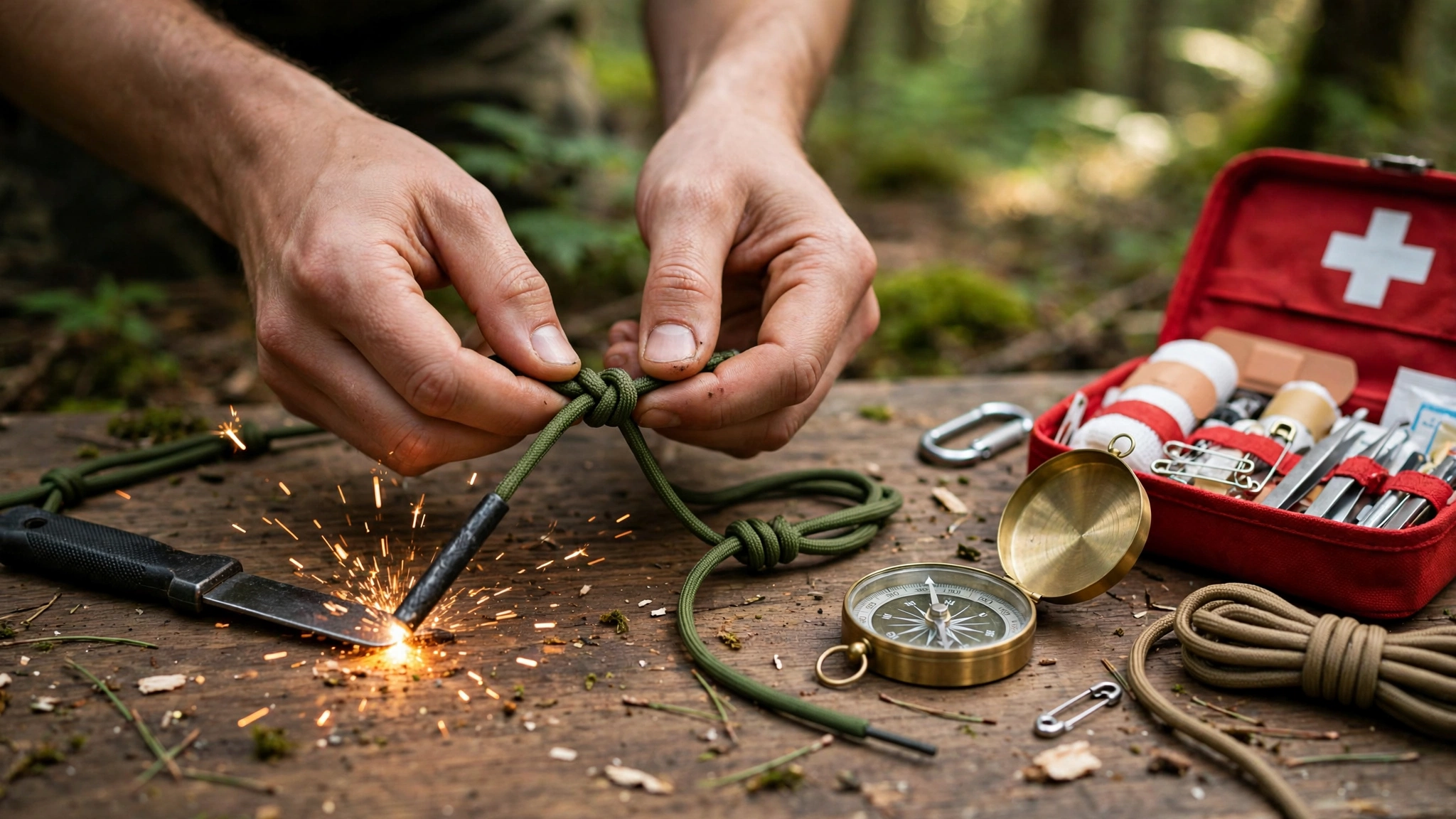
First Aid for Sprains: RICE, Wrapping a Bandage, and When to Get Help
Sprains are one of the most common injuries in an emergency. A twisted ankle on uneven ground, a wrist wrenched while catching a fall, a knee turned on a staircase in the dark — these happen during evacuations, after earthquakes, and in everyday life, and they happen to people who then still need to walk,…
-
Emergency First-Aid Kit for Kids: What Goes In, What Stays Out, and How to Teach Them to Use It
A first-aid kit for children is not just a smaller version of the adult kit. Children need different sizes, different doses, and — just as importantly — a different approach: a frightened child who will not sit still for a bandage is a problem no amount of gauze solves. A good kids’ kit is built…
-
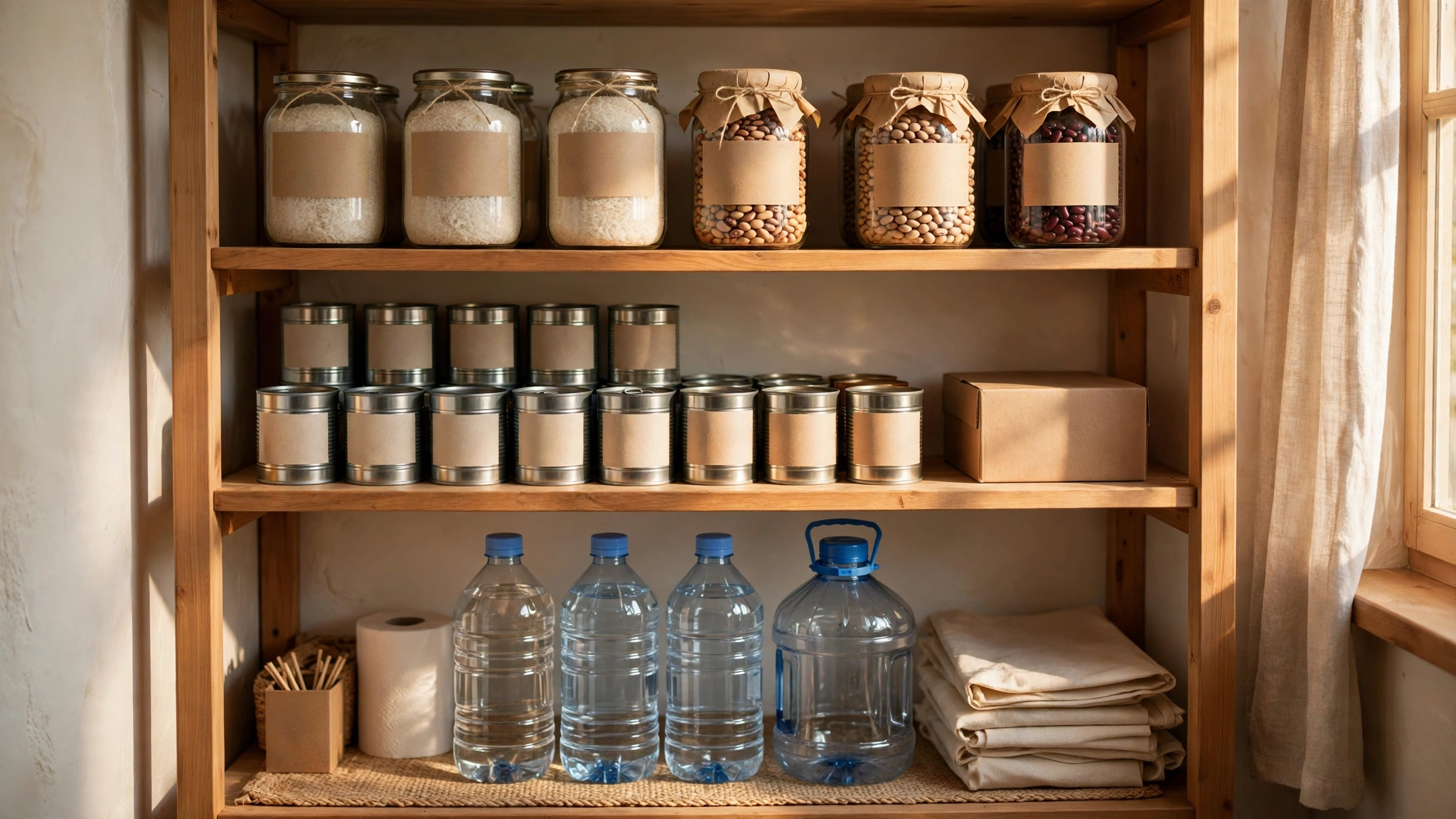
Reading Expiry Dates on Emergency Food: Best Before vs Use By, and When to Throw It Out
Every emergency stockpile lives or dies by its dates. Food that is past its best is wasted money; food that is thrown away too early is wasted food; and food that is eaten when it should have been thrown away can make someone ill. Yet the dates printed on food are confusing — best before,…
-
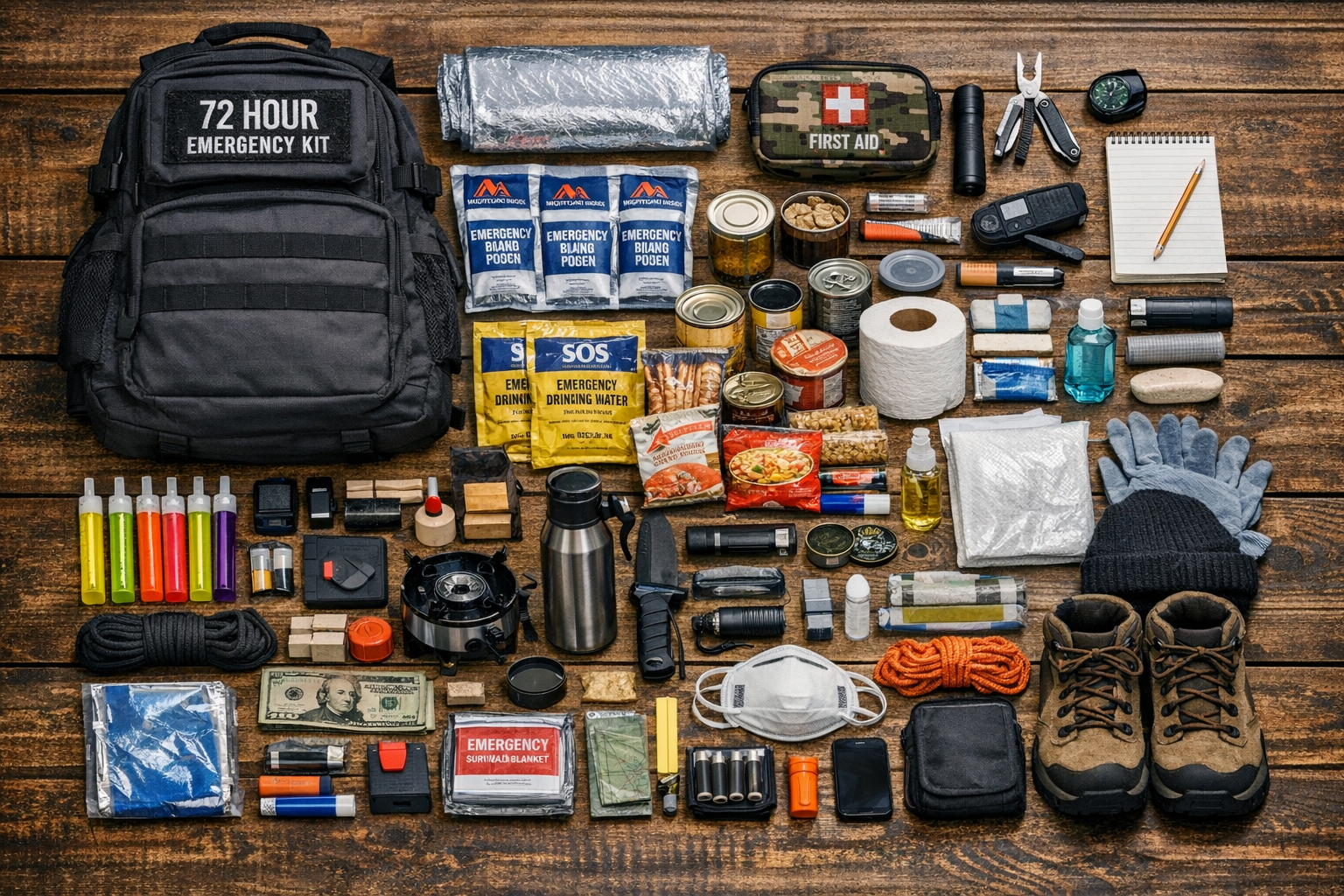
Helping Neighbours in Emergencies: Checking In, Sharing Supplies, and Building a Street That Looks Out for Each Other
In an emergency, your neighbours are the closest help you have — closer than any service, closer than any family member across town, and often the first people who notice something is wrong. A neighbour who knows you live alone, a neighbour with a spare key, a neighbour who checks on the elderly woman upstairs:…