
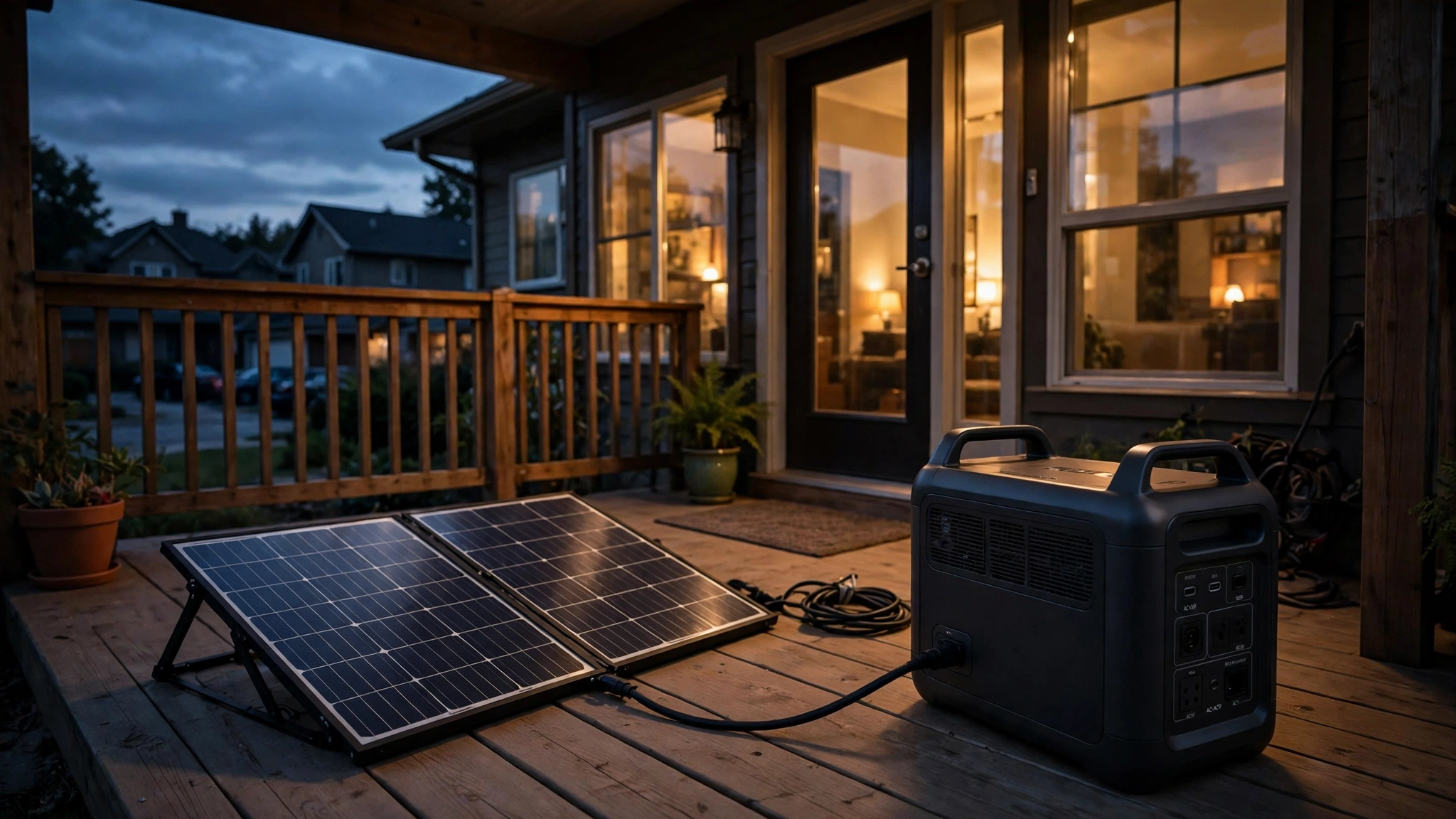
When the power goes out in winter, the house starts losing heat immediately — and the temperature inside can drop further than most people expect overnight. Staying warm without electricity is not about one magic gadget. It is about layering your defenses: your body, one room, and safe heat sources, in that order.
First, warm the person
Start with clothing before you worry about the house. Layers trap warm air: a base layer that wicks moisture, an insulating middle layer like fleece or wool, and a windproof outer layer if you are moving around. Avoid cotton against the skin — it holds sweat and chills you. Hats and socks matter more than people think, since a lot of heat escapes from the head and feet. Sleeping bags rated for cold weather, or simply two blankets layered with an emergency blanket on top, will keep a person warm through the night even in a cold room.
Second, shrink your world to one room
Pick the smallest room with the fewest outside walls and windows, ideally one with a door that closes. Hang blankets over the doorways and windows to seal drafts, stuff towels along the bottom of doors, and move everyone — people and pets — into that room. Body heat alone makes a real difference in a small sealed space, and every degree you keep is a degree your heat sources do not have to replace.
Close off unused rooms and shut the vents to them if you can. There is no point heating space nobody is using. For more on riding out an outage, see our guide to keeping your fridge cold in a power outage and our beginner’s guide to backup power.
Safe heat sources, ranked
- A wood stove or fireplace is the best off-grid heat most homes can have — but only if the chimney is clean and the flue is open. A blocked or dirty chimney is a fire and carbon monoxide risk, so get it swept before winter, not during an outage.
- Vented propane or kerosene heaters rated for indoor use can work, but follow the manufacturer’s ventilation instructions exactly and never sleep with an unvented combustion heater running.
- Hot water bottles and heated stones (a stone warmed by the fire, wrapped in cloth) are simple, safe ways to warm a bed or a pair of hands.
- Candles give light and a little warmth, but never leave them burning unattended, and never use them as a room heater — the fire risk far outweighs the heat.
What never to do
Never run a generator, grill, or camp stove inside the house or garage — carbon monoxide is odorless and kills quickly. Never heat with an unvented gas oven or stovetop left on for warmth. Never bring outdoor charcoal or propane burners indoors. Every winter, people are hurt by exactly these shortcuts. If any fuel-burning appliance is running, a working carbon monoxide detector is not optional.
Protect the pipes and the people
Let faucets drip slightly to keep water moving in the pipes, open cabinet doors under sinks on outside walls, and know where your main water shutoff is before you need it. Check on elderly neighbors and anyone living alone — cold is hardest on the very young, the very old, and anyone with a medical condition. A quick check-in costs nothing and can matter enormously.
Finally, keep food, water, and warm clothing in that one warm room, and keep your 72-hour kit close by. An outage is much easier when everything you need is already in the room you are living in.
Shop the essentials
- A battery-powered carbon monoxide detector — essential whenever any fuel-burning heat is in use.
- Heavy-duty emergency blankets — layer them over regular blankets for serious warmth.
- A cold-weather sleeping bag — the most reliable way to sleep warm in a cold house.
As an Amazon Associate, Alien Bunker earns from qualifying purchases. This page contains affiliate links, which support the site at no extra cost to you.