
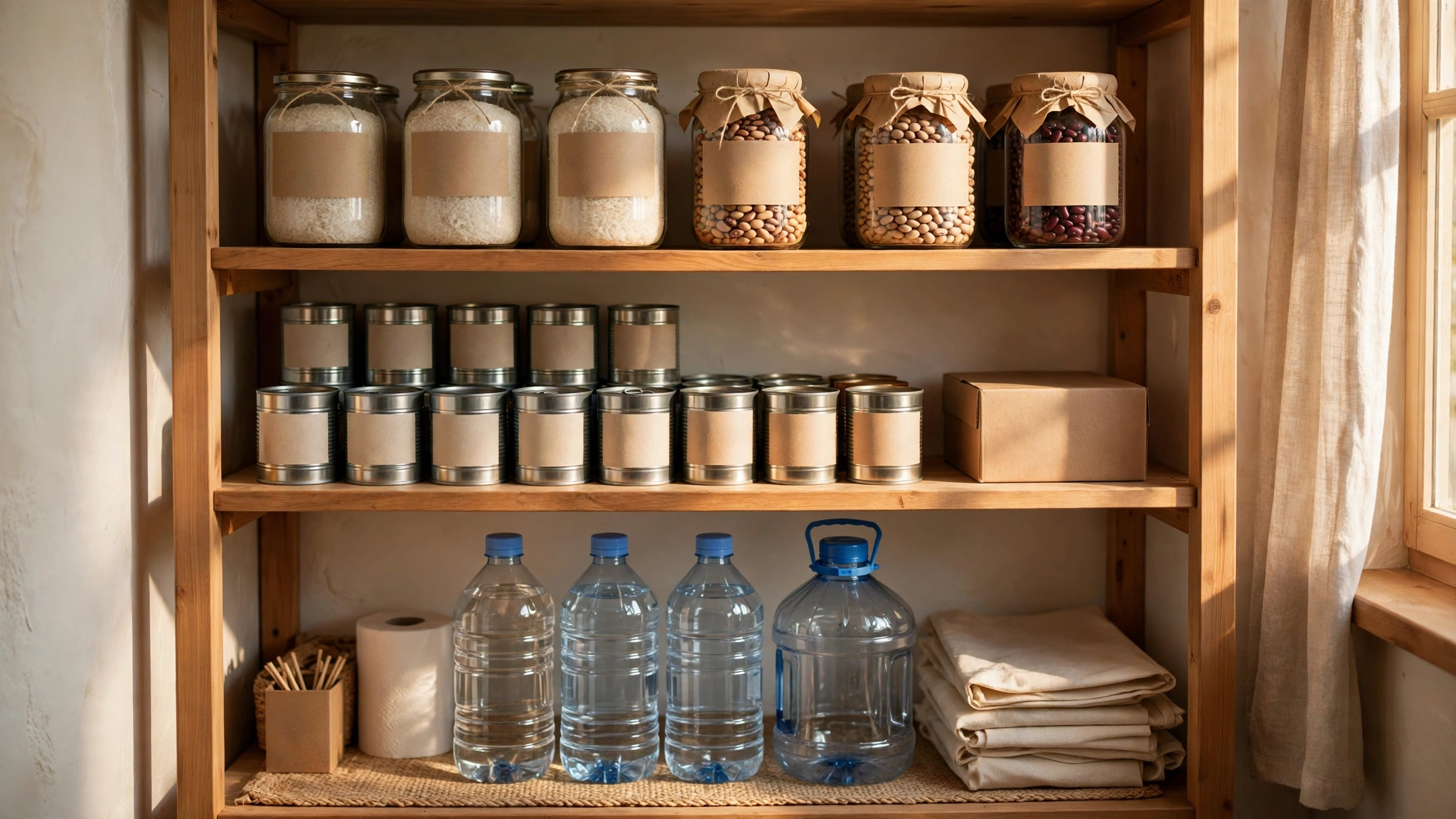
Canned fish is the most underrated protein in the emergency pantry. A tin of sardines, tuna, or mackerel costs very little, needs no fridge, keeps for years, and delivers more protein per gram than almost any other shelf-stable food you can buy. It is also one of the few emergency foods that is genuinely good for you: oily fish is rich in omega-3 fats and vitamin D, and a tin of sardines with the bones in is a real source of calcium. In a blackout, when the fridge is dead and the shops are shut, a tin of fish with some rice or crackers is a complete meal. This guide covers which canned fish to stock, how long it keeps, how to store it, and how to actually eat it when the power is out.
Which canned fish to stock, and how much you need
Start with the fish your household will actually eat, because the best emergency food is the one nobody refuses. Tuna is the obvious first choice: it is mild, familiar, and easy to use in rice, pasta, and sandwiches. Sardines are the nutritional champion — cheaper than tuna, richer in omega-3, and packed with calcium — but some people do not like the taste, so buy a few tins and try them before you stock up. Mackerel sits between the two: strong-flavoured but filling, and very cheap in many supermarkets. Salmon is the luxury option, good for morale, but it costs more. As a planning number, one tin per person per day covers the protein for one meal, so a household of three needs about twenty tins for a week of fish-based meals — and most households will want to mix fish with the rest of their stock, as in our emergency meal planning guide and our canned meat meals guide. Buy fish packed in water or brine rather than oil if you want the lightest, healthiest option, and check the labels for salt: some tins are very salty, which matters when water is limited. And remember the allergy question — if anyone in the household has a fish allergy, keep fish in a separate, labelled box, as in our food allergies guide.
Shelf life, storage, and rotation
Canned fish keeps for three to five years from the date it was packed, and often longer if it has been stored well. The printed best-before date is about quality, not safety: a tin that is a few months past its date is usually fine, as long as the tin itself is in good condition. What matters is the tin. Store canned fish in a cool, dry place, off the floor, and away from damp — a damp cupboard is the worst place for tins, because the labels fall off and the tins rust. Check your tins every few months and throw away any tin that is badly dented, swollen, leaking, or rusty, following the same rules as in our canned food expiry guide and our canned goods storage guide. Rotate by date, oldest first, and label the shelf with the month you bought them, using the system in our pantry rotation system. Keep a manual can opener with the fish, not in a different drawer — a tin with no way to open it is useless, and electric openers do not work in a blackout. And keep the fish with the rest of the food, not scattered around the flat: one shelf, one stock, one glance to see what you have.
Using canned fish in emergency meals
The simplest emergency meal is a tin of fish on rice. A tin of sardines on a bowl of hot rice, with a splash of soy sauce, is a real dinner — and the rice can be cooked on a portable stove in fifteen minutes, as in our rice and beans storage guide and our one-pot meals guide. Tuna mixes well with canned corn, beans, or pasta, and a tin of mackerel in tomato sauce is a meal on its own with a slice of bread. Fish also works cold, straight from the tin, which matters when you have no stove at all — it is one of the few proteins you can eat cold without it feeling like a punishment. The common mistakes are easy to avoid: stocking only one type of fish, so the household gets sick of it by day three; forgetting the can opener; and keeping the tins in a damp place where they rust. A shelf of canned fish is a week of real protein, for very little money, and it takes up almost no space. In the emergency pantry, that is hard to beat.
Shop canned fish storage basics
- Canned tuna in bulk packs — mild, familiar, and easy to use in rice, pasta, and sandwiches.
- Canned sardines in bulk — cheap, rich in omega-3, and a real source of calcium.
- Heavy-duty manual can openers — the tool that makes the whole stock usable, with no power needed.
As an Amazon Associate, Alien Bunker earns from qualifying purchases. This page contains affiliate links, which support the site at no extra cost to you.