
A generator is only as useful as the fuel you have stored for it, and fuel is the most dangerous thing in the whole emergency plan. Petrol is flammable, its vapour is explosive, and a mistake with fuel can burn a flat down faster than any blackout ever will. Most households that buy a generator think about the generator and forget the fuel — how much they need, where to keep it, and how long it lasts. This guide covers the fuel-storage rules that keep a household safe, the quantities that make sense for a small apartment, and the mistakes that turn a useful tool into a hazard.
How much fuel you need, and how long it keeps
Work backwards from the generator, not forwards from the shelf. A small portable generator of around 1,000 watts uses roughly half a litre to a litre of petrol per hour, depending on the load — so ten litres of fuel gives you roughly ten to twenty hours of running time, or a few hours a day for three or four days. That is a realistic plan for a small apartment: run the generator a few hours a day to charge phones, run the fridge, and power a light, rather than running it all day. Petrol goes stale: untreated petrol lasts about three to six months in a sealed container, and up to a year or more with a fuel stabiliser added. Diesel lasts longer, around six to twelve months, but most small apartment generators run on petrol. The rule is simple: never store more fuel than you can use within a few months, rotate it regularly, and never keep fuel that has been sitting for a year — pour old fuel into a car tank, where a small amount mixed with fresh fuel is harmless, and buy fresh. For the generator itself, see our portable generator safety guide.
Where to store fuel: the rules that are not negotiable
Fuel storage has rules that are not suggestions. Store petrol in a proper, approved fuel container — a red jerry can or a certified fuel canister — never in a water bottle, a milk jug, or any container that was not made for fuel. Keep the container sealed, upright, and out of direct sunlight, in a cool, well-ventilated place. Never store petrol inside the flat, in a bedroom, in a kitchen, or near any source of heat or flame — and that includes a balcony that gets full sun. The safest place for most apartment households is a small, ventilated storage area away from the living space, and even then only a small quantity: five to ten litres, not fifty. If your building has rules about fuel storage, follow them — many apartment buildings ban petrol storage outright, and breaking that rule can void your insurance and put your neighbours at risk. Never store fuel near the generator itself, and never refuel a generator while it is running or still hot: let it cool down for at least fifteen minutes, refuel outdoors, and wipe up any spill immediately. And keep a fire extinguisher nearby — see our fire extinguisher basics guide and our ventilation without power guide.
The mistakes that cause fires, and the safer alternatives
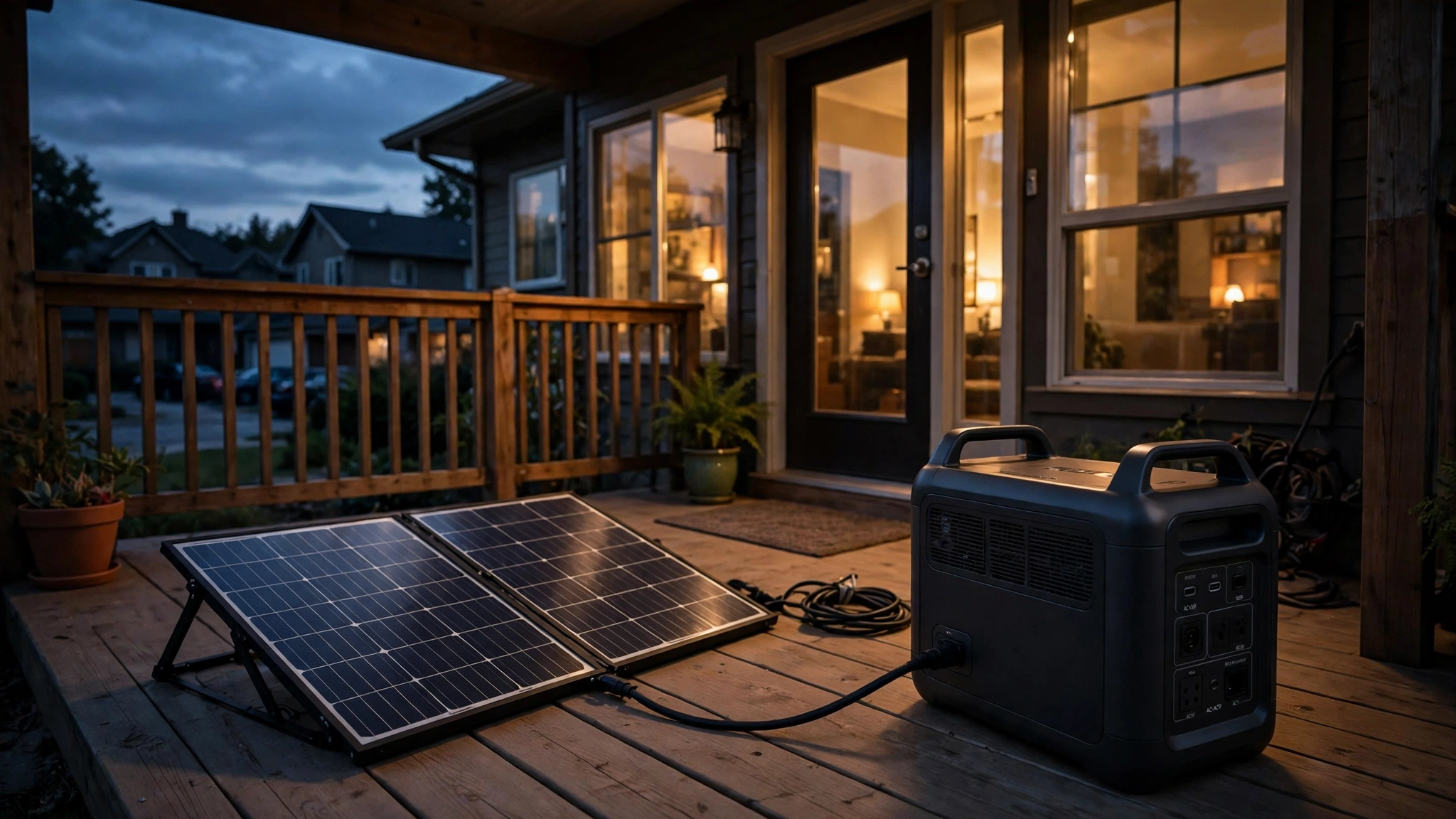
Most fuel fires come from a small list of mistakes, and all of them are preventable. Storing petrol in an unapproved container, which leaks or melts. Refuelling a hot generator, so the fuel ignites on the exhaust. Storing fuel indoors, where vapour builds up and finds a spark from a light switch, a cooker, or a phone charger. And keeping too much fuel, so a small fire becomes a large one. If your building bans petrol, or you do not have a safe outdoor storage place, there are safer alternatives: a power station — a large rechargeable battery — charges from a wall socket before the emergency and runs lights, phones, and small appliances with no fuel at all. Solar chargers and power banks cover the small jobs. And for cooking, a portable stove with small, sealed gas canisters is far safer to store than loose petrol — see our portable stove fuel guide and our cooking without power guide. The rule is simple: fuel is useful, but it is the one part of the emergency plan where a shortcut can cost you the flat. Store it properly, store a little, and rotate it — or choose a power source that needs no fuel at all.
Shop generator fuel safety basics
- Approved petrol fuel cans — proper, sealed containers made for fuel, not improvised bottles.
- Petrol fuel stabilisers — keep stored fuel fresh for months longer.
- Small home fire extinguishers — the one item that should sit next to any fuel storage.
As an Amazon Associate, Alien Bunker earns from qualifying purchases. This page contains affiliate links, which support the site at no extra cost to you.