
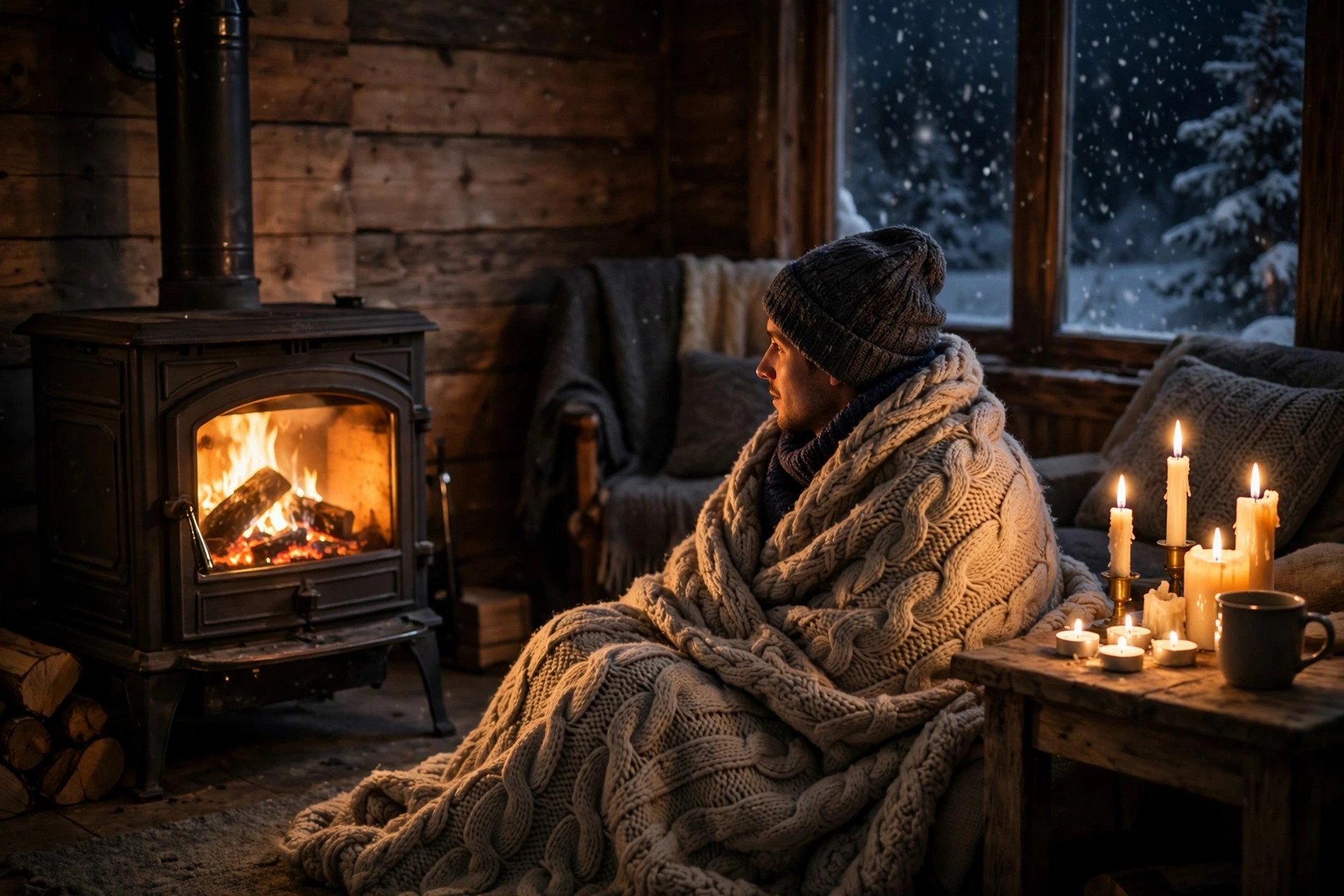
Snow is easy to underestimate when you live in a flat. It feels like a countryside problem — something for houses with driveways and roofs to clear — but a heavy snowfall in a city brings its own set of apartment problems: the heating struggles, the pipes freeze, the water stops, the transport stops, and the shops run out of food faster than anyone expects. In Japan, a big snowfall can shut the trains for a day and leave the roads impassable, and the flat that was comfortable yesterday becomes cold, dark, and cut off. The good news is that preparing for snow in an apartment is mostly a matter of doing a few small things before the forecast turns white. This guide is a checklist for snow, written for people who live in flats.
Before the snow: the apartment snow checklist
- Food and water: stock three days of food that needs no cooking and no fridge, and at least three litres of drinking water per person per day. Snow closes shops and stops deliveries, so shop before the forecast, not during it — see our budget emergency food list and our water storage guide.
- Heat: check the heating now, not when it is snowing. Close the curtains at night, cover the windows with insulation film, and block the draughts under the doors — see our window insulation film guide and our keeping warm without heating guide.
- Pipes: insulate any exposed pipes, especially on a balcony or near a window, and know where the water shut-off valve is. A burst pipe in a flat floods the flat below as well as yours — see our pipe freezing guide.
- Power: charge everything — phones, power banks, torches, and the emergency radio — and keep a torch and spare batteries by the bed. Snow brings down power lines, and a blackout in a snowstorm is cold as well as dark — see our blackout safety checklist.
- Going out: keep a pair of shoes with good grip by the door, and a warm coat, gloves, and a hat. Snowy pavements are slippery, and a fall on ice is a common snow injury.
- Contacts: save the landlord and building manager numbers in your phone, and agree a check-in with a neighbour — see our landlord contacts plan.
During and after the snow: what to do, and what not to do
During the snow, stay in if you can. The trains may stop, the buses may stop, and the walk to the shops may be through snow that is deeper than it looks. If you must go out, tell someone where you are going, wear layers and good shoes, and take your phone. Keep the flat warm by living in one room, closing the doors, and using the heating you have — and if you use a portable heater, follow the safety rules in our portable heater safety guide, and never use a fuel heater without ventilation. Watch the pipes: if a tap slows to a trickle, the pipe may be freezing, so open the tap slightly and let it drip, and warm the pipe gently with a towel soaked in warm water — never with a naked flame. After the snow, clear the balcony and the area outside your door, so the meltwater drains away and does not freeze into ice overnight. Check the flat for leaks, especially around windows and on the ceiling, and report any damage to the landlord straight away. And do not shovel snow from a balcony onto the street below without checking — it can hit someone, and the building may have rules about it. Snow is not a disaster for a prepared flat. It is a few days of staying in, staying warm, and waiting for the trains to run again — and the difference between a comfortable few days and a miserable one is a stocked cupboard, a charged phone, and a flat that holds its heat. See also our winter blackout guide and our window blackout covers guide.
Shop apartment snow basics
- Window insulation film kits — keep the heat in when the snow comes down.
- Foam pipe insulation tubes — cheap protection against frozen and burst pipes.
- Thermal emergency blankets — light, cheap, and a real help on a cold night.
As an Amazon Associate, Alien Bunker earns from qualifying purchases. This page contains affiliate links, which support the site at no extra cost to you.