
In an emergency, the people nearest to you are not the emergency services. They are your neighbours. The fire service, the ambulance, and the police are on their way — but they are on their way to everyone at once, and they may take hours to reach your building. Your neighbours are already there, on the other side of the wall, and in the first minutes of a blackout, an earthquake, or a fire, they are the only help available. An emergency buddy system is simply an agreement between neighbours: we check on each other, we share what we have, and we help each other get through it. It costs nothing, it takes an afternoon to set up, and it is one of the most useful things in any emergency plan. This guide covers how to set one up, who to pair with, and how to make it work.
Setting up a buddy system: five steps
Step one: pick your buddies. Start with the neighbours on your floor, especially the ones nearest your door. Two or three households are enough — a small group is easier to organise than a whole building, and it is more likely to actually happen. Step two: have the conversation. Knock on the door, introduce yourself if you have not already, and say something simple: “If there is an earthquake or a blackout, shall we check on each other?” Most people say yes immediately, because most people have been thinking the same thing and waiting for someone else to say it first. Step three: exchange the basics. Phone numbers, and one out-of-area contact each, so you can pass messages if the local network is down. Agree on a meeting point outside the building, and a knock pattern or a signal — three knocks on the wall, or a torch flashed through the window — for “I am okay” and “I need help”. Step four: note who needs extra help. Is there an elderly person living alone on your floor? Someone with a baby? Someone with a disability? Someone who does not speak the local language well? The buddy system exists for them most of all — see our seniors living alone guide and our helping neighbours guide. Step five: write it down. A short note on the fridge with the buddy names, numbers, and the meeting point, so everyone in the household knows the plan — and add it to your family communication plan, as in our family communication plan guide.
How the buddy system works in a real emergency, and the boundaries
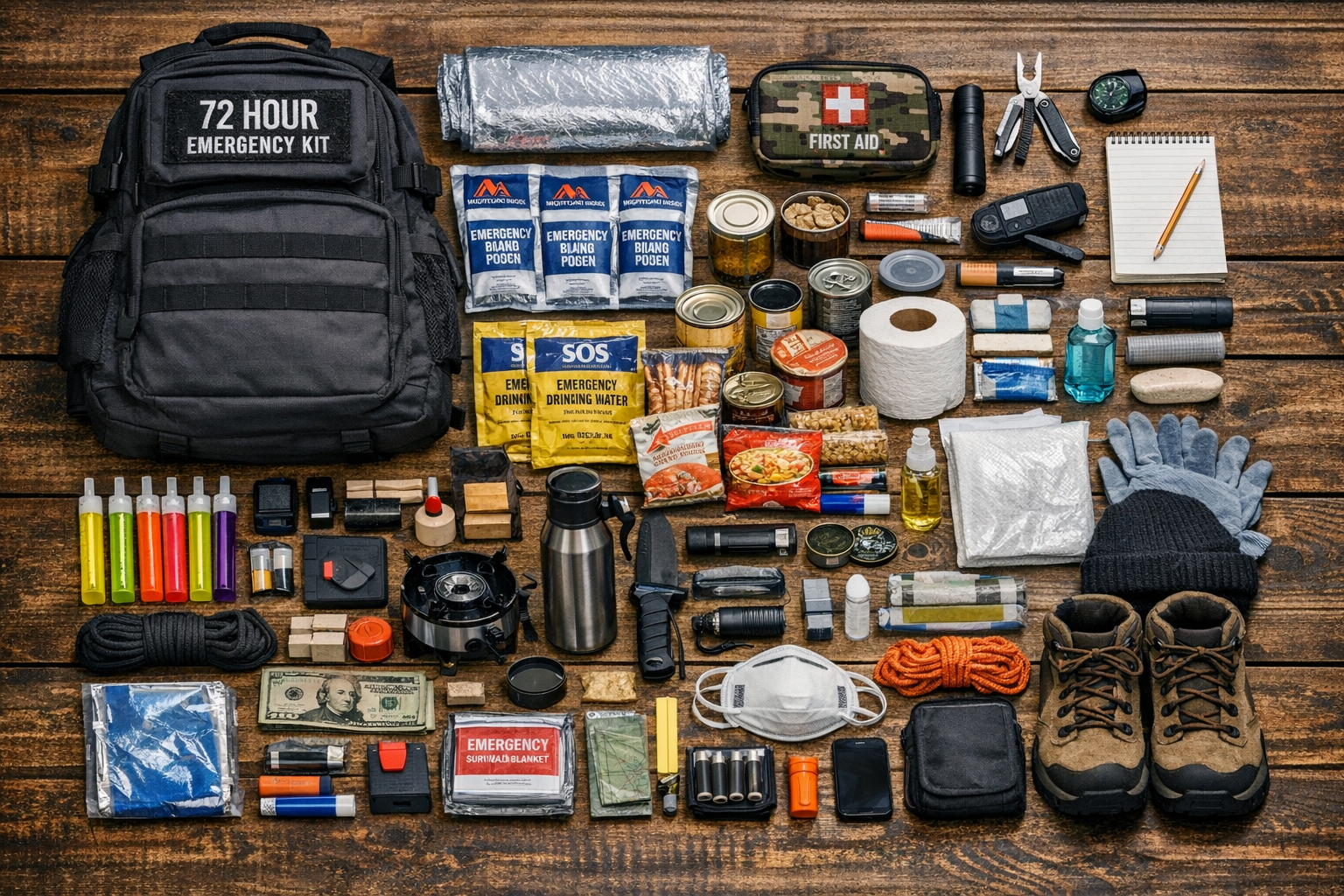
When something happens, the buddy system has three jobs: check, share, and help. Check means knocking on the door, or calling, or shouting through the wall — a quick “Are you okay?” that takes ten seconds and tells you whether someone needs help. If someone does not answer, do not assume they are fine: check again, and if you are worried, tell the building manager or the emergency services. Share means pooling what you have: one household has a radio, another has a power bank, another has a first-aid kit, another has a camping stove. Share the tools, share the information, and share the food if someone runs out — and remember that sharing is two-way, so accept help as well as offering it. Help means the practical things: carrying water up the stairs for an elderly neighbour, watching a neighbour’s children while they deal with a problem, or helping someone get out of the building. It does not mean putting yourself in danger: never go into a burning building, never move someone who is seriously injured, and never try to do a job that needs professionals. The boundaries matter too. A buddy system is not an invitation to share your whole life: keep it to the emergency basics — names, numbers, and who needs extra help — and respect privacy. Do not share someone’s phone number with the whole building without asking, and do not turn the buddy system into a gossip channel. And keep it alive: a quick hello in the hallway, a check-in once a month, and a review of the plan every six months, so the system is still there when you need it. In an emergency, the building is a team, whether you planned it or not — and a team that has agreed to check on each other is a team that gets through it together. See also our emergency childcare guide and our landlord contacts plan.
Shop buddy system basics
- Hand-crank emergency radios — share the news with the whole floor when the power is out.
- LED torches in bulk packs — cheap enough to lend to a neighbour and not miss.
- High-capacity power banks — keep the phones alive so the buddies can stay in touch.
As an Amazon Associate, Alien Bunker earns from qualifying purchases. This page contains affiliate links, which support the site at no extra cost to you.