
Category: Skills
-
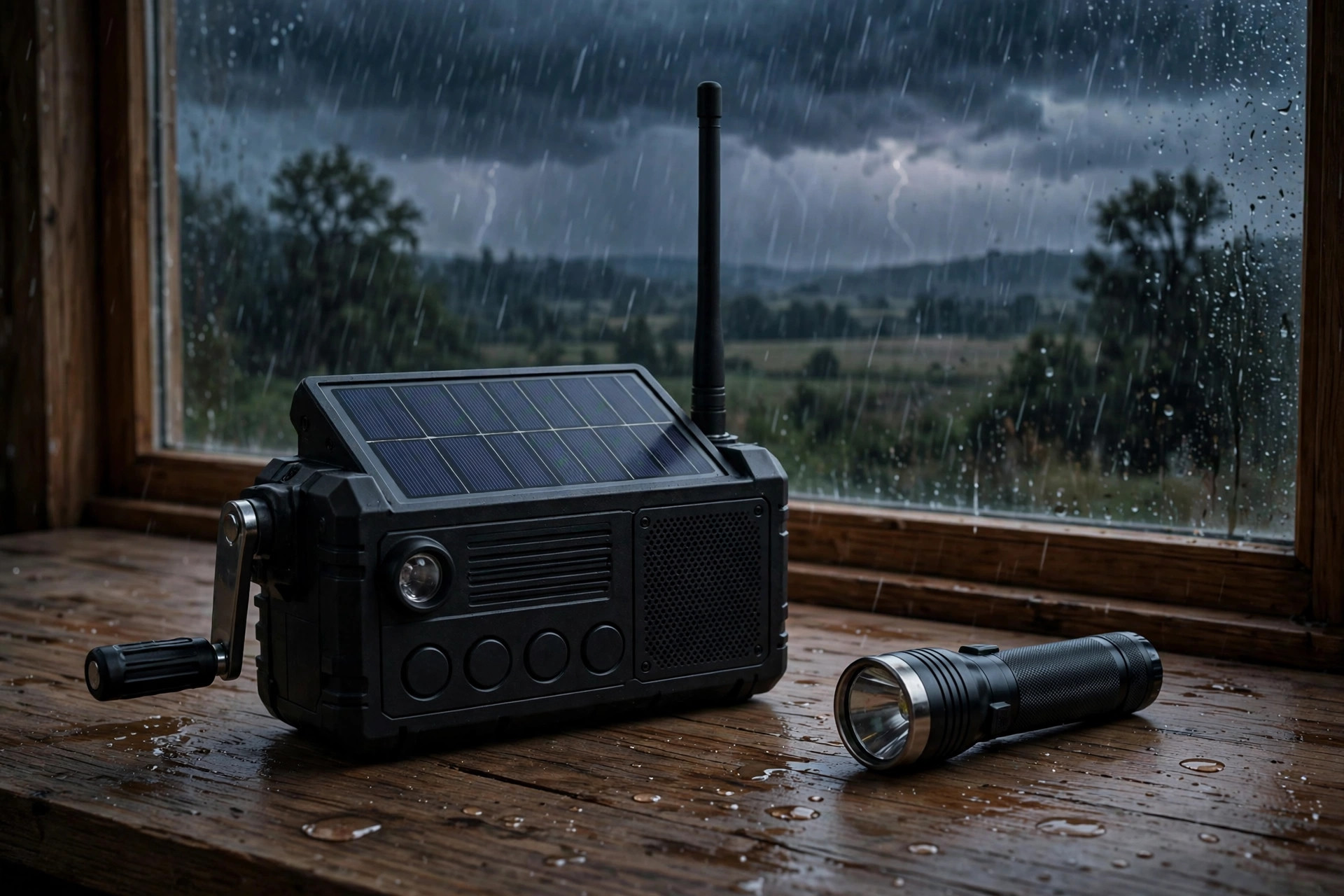
Teaching Kids to Call Emergency Services
A child who knows how to call for help can save a life — including their parent’s. If that child knows the number, knows what to say, and is not too frightened to speak, help arrives in minutes. If the child does not know, the minutes stretch into an emergency. Teaching a child to call…
-
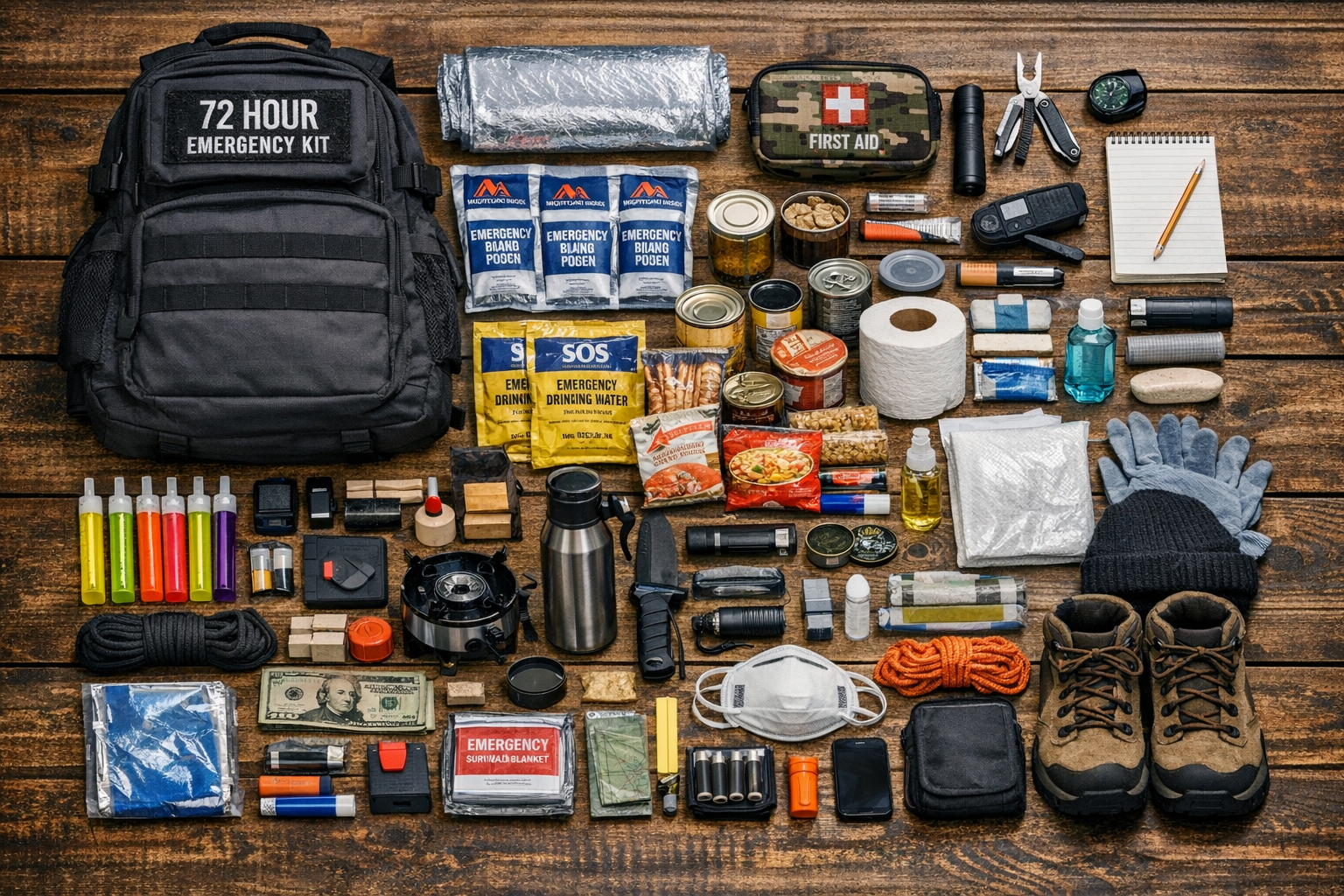
Mental First Aid Basics: Staying Steady When Things Go Wrong
When people plan for an emergency, they plan for the body: food, water, shelter, first aid. Almost nobody plans for the mind — and the mind is what breaks first. In a blackout, an earthquake, or a week of bad news, the stress is real, physical, and exhausting: a racing heart, a tight chest, a…
-
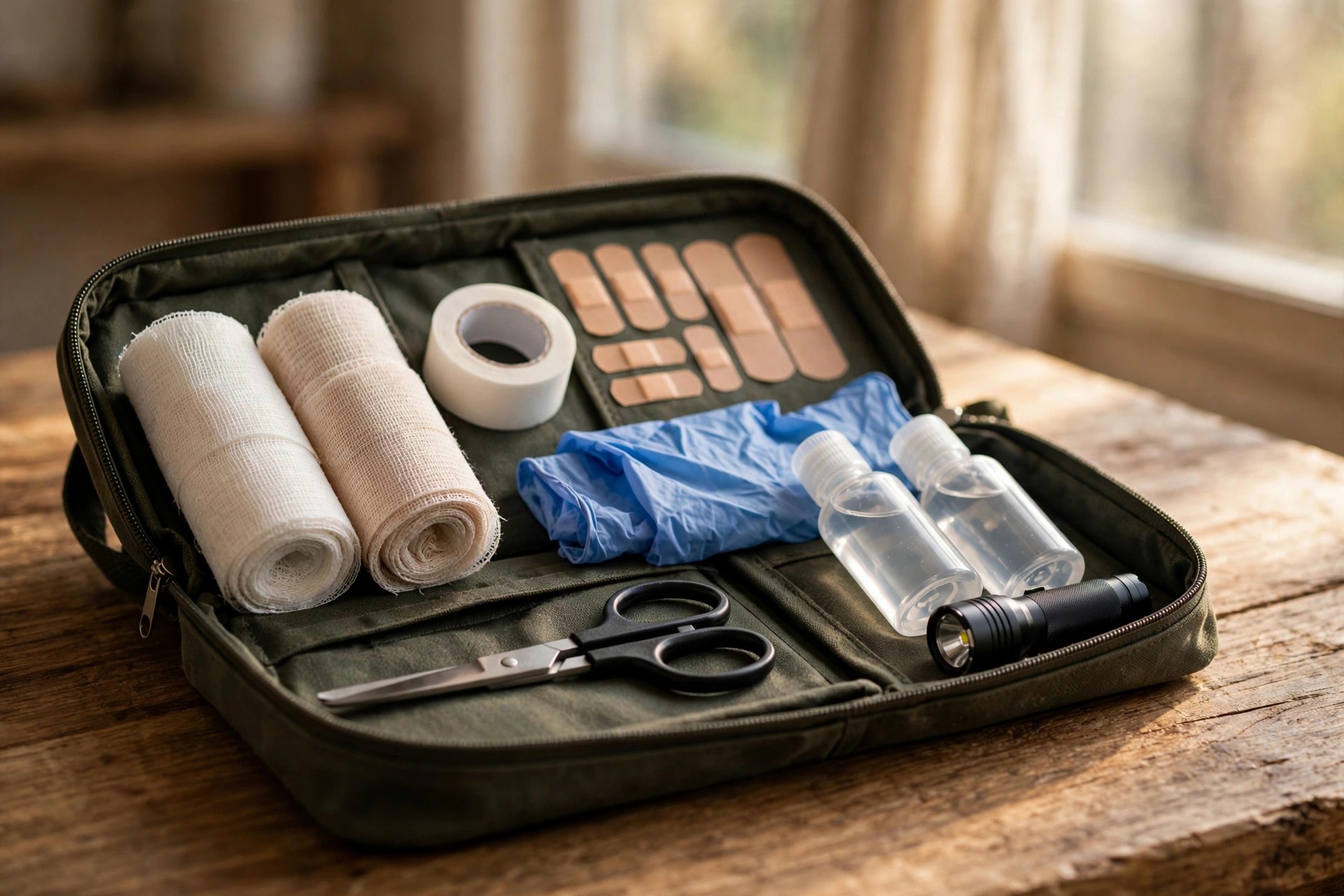
First Aid for Fainting: What to Do Before Help Arrives
Fainting looks frightening, but it is one of the most common and least dangerous emergencies you will ever see. Someone goes pale, sways, and folds to the floor — and a minute later they are sitting up, embarrassed, asking what happened. Most faints are caused by a brief drop in blood flow to the brain:…
-
Emergency Splint Basics for Beginners: Hold It Still Until Help Arrives
A broken bone is one of the injuries that is most likely to happen in an emergency, and one of the least practised for. People fall on slippery pavements, they fall down stairs in the dark during a blackout, they are thrown around in an earthquake, and they trip over debris. A broken arm or…
-
Emergency Buddy System With Neighbours: The Help Already Next Door
In an emergency, the people nearest to you are not the emergency services. They are your neighbours. The fire service, the ambulance, and the police are on their way — but they are on their way to everyone at once, and they may take hours to reach your building. Your neighbours are already there, on…