
An allergic reaction can turn a normal evening into an emergency in minutes. A child eats a biscuit with nuts in it, an adult is stung by a wasp, or a new medicine triggers a reaction — and suddenly someone is swelling up, struggling to breathe, and needs help now. Most allergic reactions are mild and pass quickly. A few are severe, and a severe reaction — anaphylaxis — can kill if it is not treated fast. The difference between a mild reaction and a severe one is not always obvious at first, so every household should know the signs, know what to do, and know what is in the first-aid kit. This is first-aid awareness, not medical training: it is meant to help you act calmly until professionals take over.
Recognising a reaction: mild signs and severe warning signs
A mild allergic reaction usually shows up on the skin: itching, a rash, hives, or red, puffy eyes. The person feels uncomfortable but can breathe normally, talk normally, and think clearly. A mild reaction can usually be treated with an antihistamine tablet and watched for a few hours. A severe reaction — anaphylaxis — is different, and the signs are unmistakable once you know them. The face, lips, or tongue swell. The throat feels tight, the voice goes hoarse, and breathing becomes difficult or noisy. The person feels dizzy, faint, or confused, their skin goes pale or blotchy, and they may vomit or have severe stomach pain. Anaphylaxis can follow a food allergy, an insect sting, or a medicine, and it can develop in minutes — sometimes in seconds. The rule is simple: if someone is having trouble breathing, or their face and tongue are swelling, treat it as severe and call for help immediately. Do not wait to see if it gets better. See our food allergies guide and our first-aid kit checklist for the preparation that comes before.
What to do: call for help, use the EpiPen if prescribed, and keep them safe
The first thing to do for a severe reaction is call for help: in Japan, 119 for an ambulance. Tell the operator that the person is having a severe allergic reaction and may be in anaphylaxis, and describe what happened. If the person has been prescribed an adrenaline auto-injector — an EpiPen — use it immediately, and do not wait for the ambulance. The EpiPen is designed to be used by anyone: hold it firmly, press the tip against the outside of the thigh, through clothing if needed, and hold it there for ten seconds. It is not a treatment on its own — it buys time until the ambulance arrives — but it is the single most important thing you can do. Lay the person down on their back, with their legs slightly raised, unless they are vomiting or having trouble breathing, in which case put them in the recovery position — see our fainting first-aid guide and our shock first-aid guide. Loosen anything tight around the neck and chest, keep them warm, and stay with them. Do not give them food or water, and do not leave them alone, even for a minute, because a severe reaction can get worse fast.
Preparing the household: the kit, the plan, and the mistakes to avoid
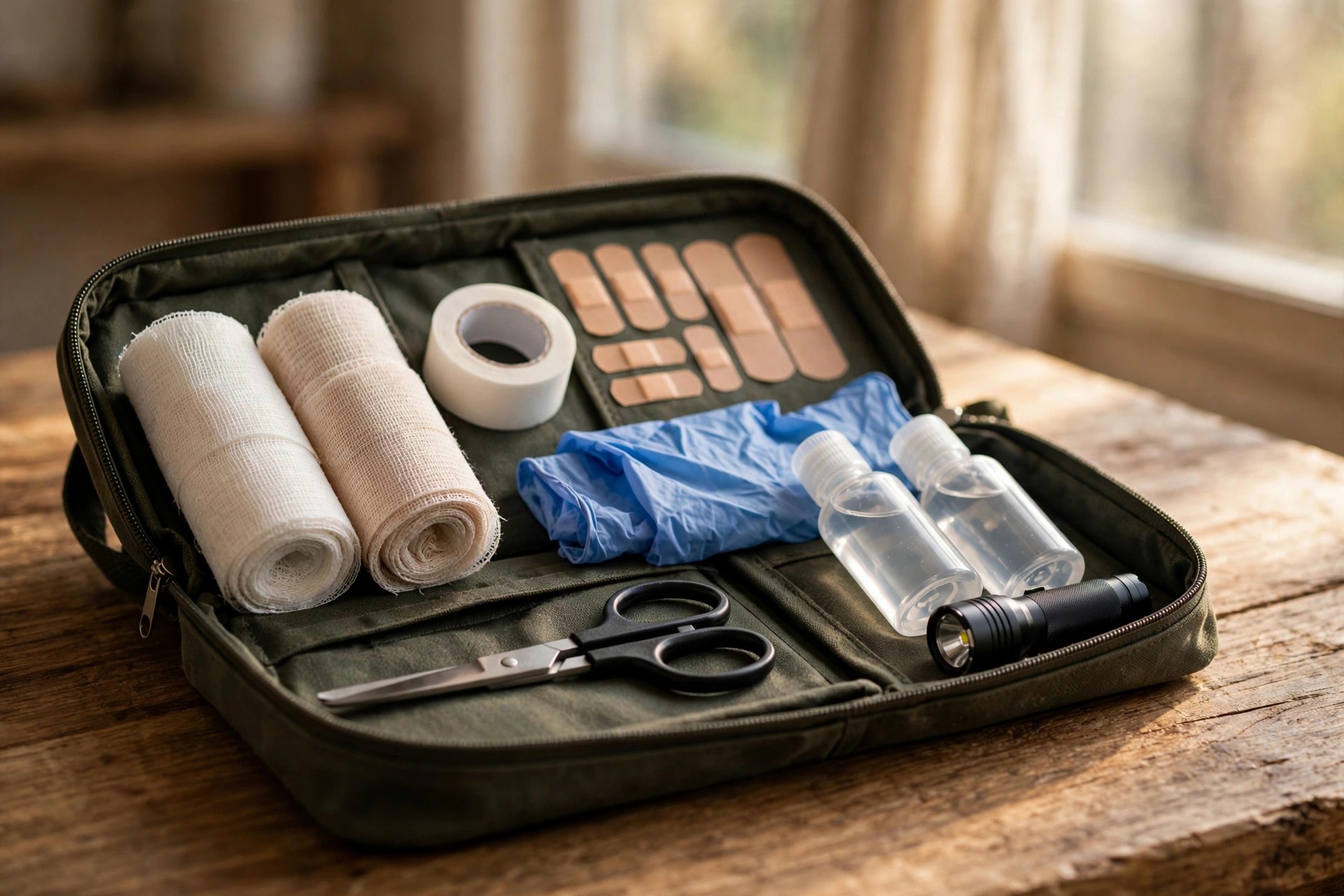
Preparation is what turns a panic into a plan. If anyone in the household has a known severe allergy, keep their EpiPen in the first-aid kit, check the expiry date every few months, and make sure everyone in the household knows where it is and how to use it — practise with a trainer pen if you have one. Keep antihistamine tablets in the kit for mild reactions, and keep a written allergy card in the kit and in the child’s school bag, listing the allergy, the symptoms, and what to do — see our first-aid kit for kids and our CPR awareness guide. Tell the household, the school, and any carers about the allergy, and check food labels every time — an ingredient list can change without warning. The common mistakes are easy to avoid: keeping the EpiPen in a drawer nobody can find; not checking the expiry date, so the EpiPen is out of date when it is needed; and waiting to see if a severe reaction gets better on its own, instead of calling for help at once. An allergic reaction is frightening, but it is also one of the most treatable emergencies there is — if the household knows the signs, has the kit, and acts fast.
Shop allergy first-aid basics
- Antihistamine tablets in bulk — for mild reactions, itching, and hives.
- Comprehensive home first-aid kits — bandages, gauze, and the basics for any emergency.
- Medical alert cards — allergy details in a wallet or a school bag, where help can find them.
As an Amazon Associate, Alien Bunker earns from qualifying purchases. This page contains affiliate links, which support the site at no extra cost to you.