
In an emergency, your neighbours are the closest help you have — closer than any service, closer than any family member across town, and often the first people who notice something is wrong. A neighbour who knows you live alone, a neighbour with a spare key, a neighbour who checks on the elderly woman upstairs: these are not nice extras, they are part of the emergency plan. Yet most people in apartment buildings barely know the names of the people on their floor. Building those relationships before an emergency is one of the cheapest and most effective preparedness steps there is, and it costs nothing but a little time and attention.
Start before anything happens
The best time to meet your neighbours is on a normal day. Introduce yourself, exchange phone numbers with the people on your floor, and learn who might need extra help: elderly residents living alone, families with small children, people with mobility problems, and anyone who depends on powered medical equipment. You do not need to be intrusive — a hello in the hallway, a note under a door, or a short chat by the lift is enough to start. If your building has a residents’ group or a noticeboard, use it: a simple message offering to share phone numbers for emergencies often gets a surprisingly warm response. Agree on the basics in advance: who has a spare key, who to call if someone does not answer their door, and where the building’s shared supplies are — the stopcock, the fuse box, the fire extinguishers. This is the community version of the household plan in our family communication plan: it works because the details were agreed beforehand, not improvised during a crisis. And keep the network small and real — two or three neighbours you actually know and trust are worth far more than a building-wide group chat full of strangers.
What helping looks like during an emergency
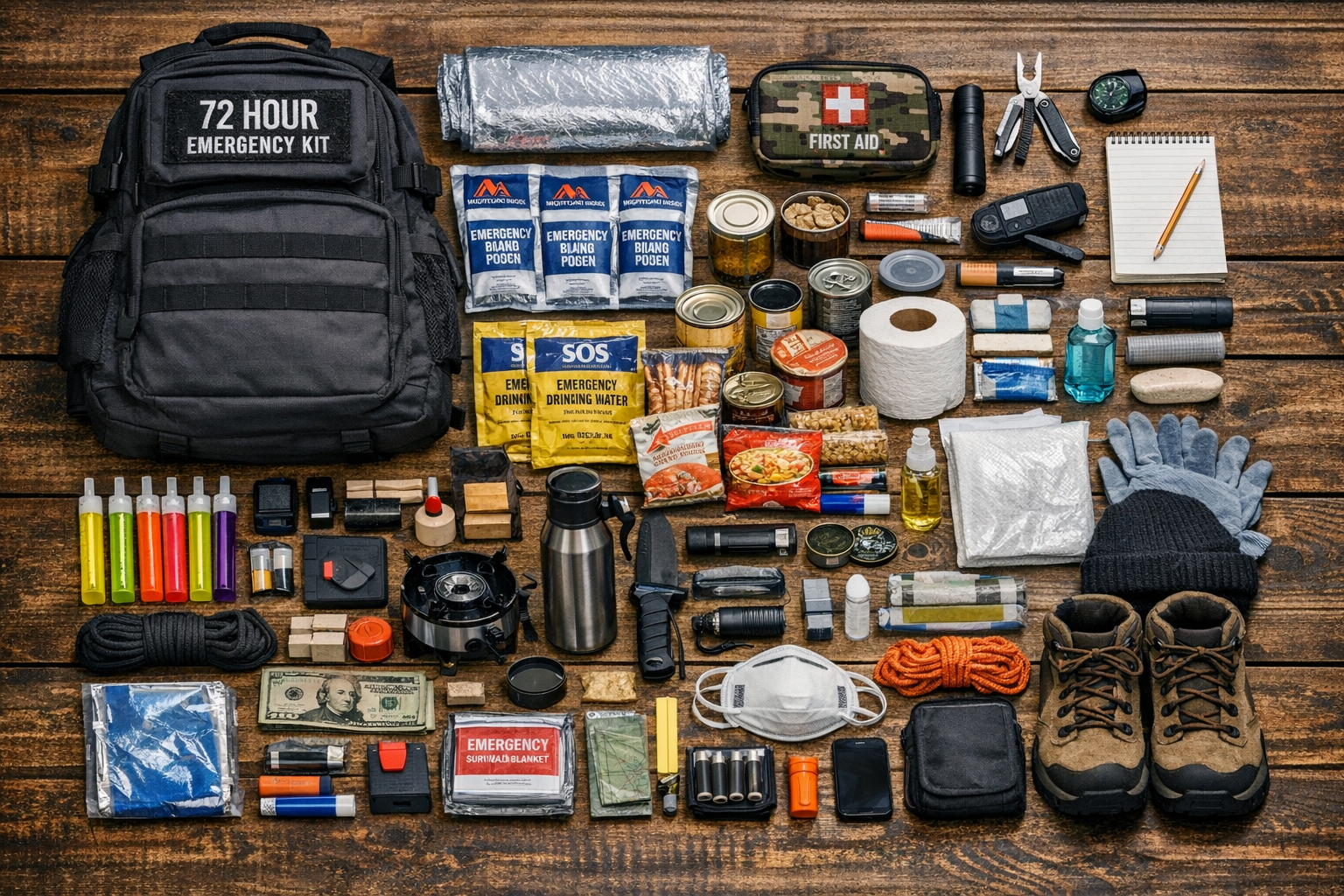
During a power cut, a storm, or an evacuation, helping neighbours is mostly simple, practical things. Knock on doors and check on the people you know might need help, especially elderly residents and anyone living alone — a quick check takes a minute and can catch a problem, like a fall or a medical issue, hours before anyone else would notice, as in our seniors in a power outage guide. Share what you can spare: a torch, a phone charger, a bottle of water, a spare blanket, or a hot drink from your camping stove. Share information too: what you know about the outage, when power might return, which shops are open, and what the building management has said — in a blackout, information is as valuable as supplies, and a neighbour who knows what is happening is a calmer neighbour. If someone needs to evacuate and cannot manage the stairs alone, help them — but only if you can do it safely, and never put yourself in danger for someone else’s belongings. Offer your flat as a charging point or a warm room if you have power or heating and they do not. And after the emergency, check in again: the days after a storm or a long blackout are when people run out of supplies, discover damage, or feel the stress catch up with them, and a neighbour who asks how they are doing is often the first person to hear about it. The same calm, practical approach applies to yourself, as in our staying calm guide: helping others is also one of the best ways to stay steady yourself.
Boundaries, safety, and fairness
Helping neighbours does not mean giving away your emergency supplies or putting yourself at risk. Keep your core stockpile — food, water, medicine — for your own household, and share from the surplus, not from the essentials. Be careful about who you let into your flat and what you tell people about your supplies: in a long emergency, a neighbour who knows you have a large stockpile may expect you to share it, so be generous with information and help, but discreet about quantities. Do not enter a neighbour’s flat alone if you feel unsafe, do not attempt medical care beyond basic first aid — see our first-aid kit guide for what to have ready — and call the emergency services for anything serious rather than trying to handle it yourself. If a neighbour refuses help, respect that: not everyone wants a knock on the door, and a polite offer that is declined is still a good deed. Finally, remember that neighbourliness runs both ways: the neighbour you help today may be the one who checks on you tomorrow, lends you a tool, or notices your door has been open too long. Emergency preparedness is usually framed as a household job, but it is really a street job, a floor job, and a building job — and the households that cope best are rarely the ones with the biggest stockpile. They are the ones with the most people looking out for each other.
Shop neighbour-help basics
- Battery LED lanterns — light to share with a neighbour in the dark.
- Thermal emergency blankets in bulk — cheap warmth to spare.
- Portable phone chargers — a charged phone to lend in a blackout.
As an Amazon Associate, Alien Bunker earns from qualifying purchases. This page contains affiliate links, which support the site at no extra cost to you.